Know your skin
The skin barrier: signs it's compromised and how to support it
Reviewed by Cassidy, aesthetic therapist · Updated · 3 min read
The short answer
The skin barrier is the outermost layer of your skin, made of cells held together by fats (lipids). It keeps moisture in and irritants out. When it is damaged, skin tends to sting, turn red, feel tight and dry, and react to products that used to be fine. Supporting it means simplifying your routine, cleansing gently, using barrier-friendly moisturisers and pausing strong actives until your skin calms down.
Key points
- A healthy barrier holds water in and keeps irritants out.
- Stinging, redness, tightness and sudden reactions to familiar products are classic signs of damage.
- Over-exfoliating, harsh cleansers, fragrance, weather and too many actives are common causes.
- Recovery starts with doing less: gentle cleansing, lipid-rich moisture and daily sunscreen.
If your skin has suddenly started stinging when you apply products that never bothered you before, your skin barrier is the first thing to look at. Understanding it is one of the most useful things you can learn about your skin.
What is the skin barrier?
The skin barrier is the outermost layer of your skin. It is often described like a brick wall: skin cells are the bricks, and a mix of natural fats (lipids) fills the gaps like mortar.
It has two main jobs:
- Keeping moisture in. It slows the loss of water from the skin, which keeps it comfortable, plump and supple.
- Keeping irritants out. It helps stop pollution, allergens and harsh substances from getting into the skin.
When the barrier is working well, you barely notice it. When it is not, you notice everything.
What are the signs of a damaged skin barrier?
- Stinging or burning when you apply products, even gentle ones
- Redness, blotchiness or a flushed look
- Tightness, especially after cleansing
- Dryness, rough patches or flaking
- Sudden sensitivity to products you have used for years
- Skin that looks dull and dehydrated, even if it is also oily
- Breakouts or irritation that seem to come from nowhere
A struggling barrier can also make skin more prone to dehydration and pigmentation, because irritated skin is more vulnerable to damage.
What damages the skin barrier?
Usually it is a combination of things:
- Over-exfoliating. Using acids, scrubs or retinol too often, or several at once, is one of the most common causes we see.
- Harsh cleansing. Stripping cleansers, very hot water and over-washing remove the lipids the barrier needs.
- Fragrance, alcohol and other irritants in skincare.
- Weather. Cold, wind and low humidity in winter dry the skin out. Sun exposure also stresses the skin.
- Too many products. A long routine with lots of actives gives the skin no time to recover.
- Stress, poor sleep and illness can all make skin more reactive.
How do you repair a damaged skin barrier?
The good news is that the barrier can recover when you give it the right conditions. Most of the work is doing less.
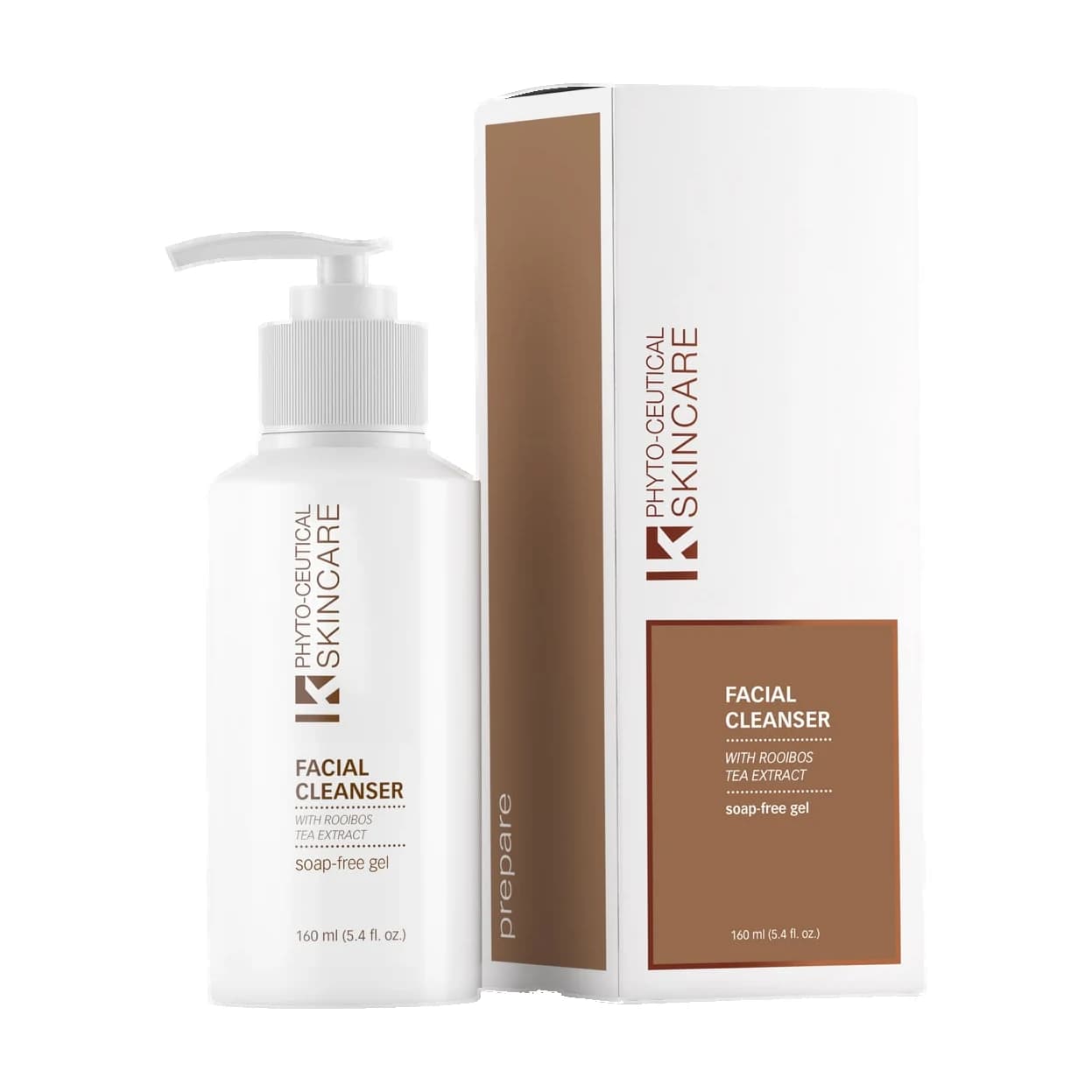
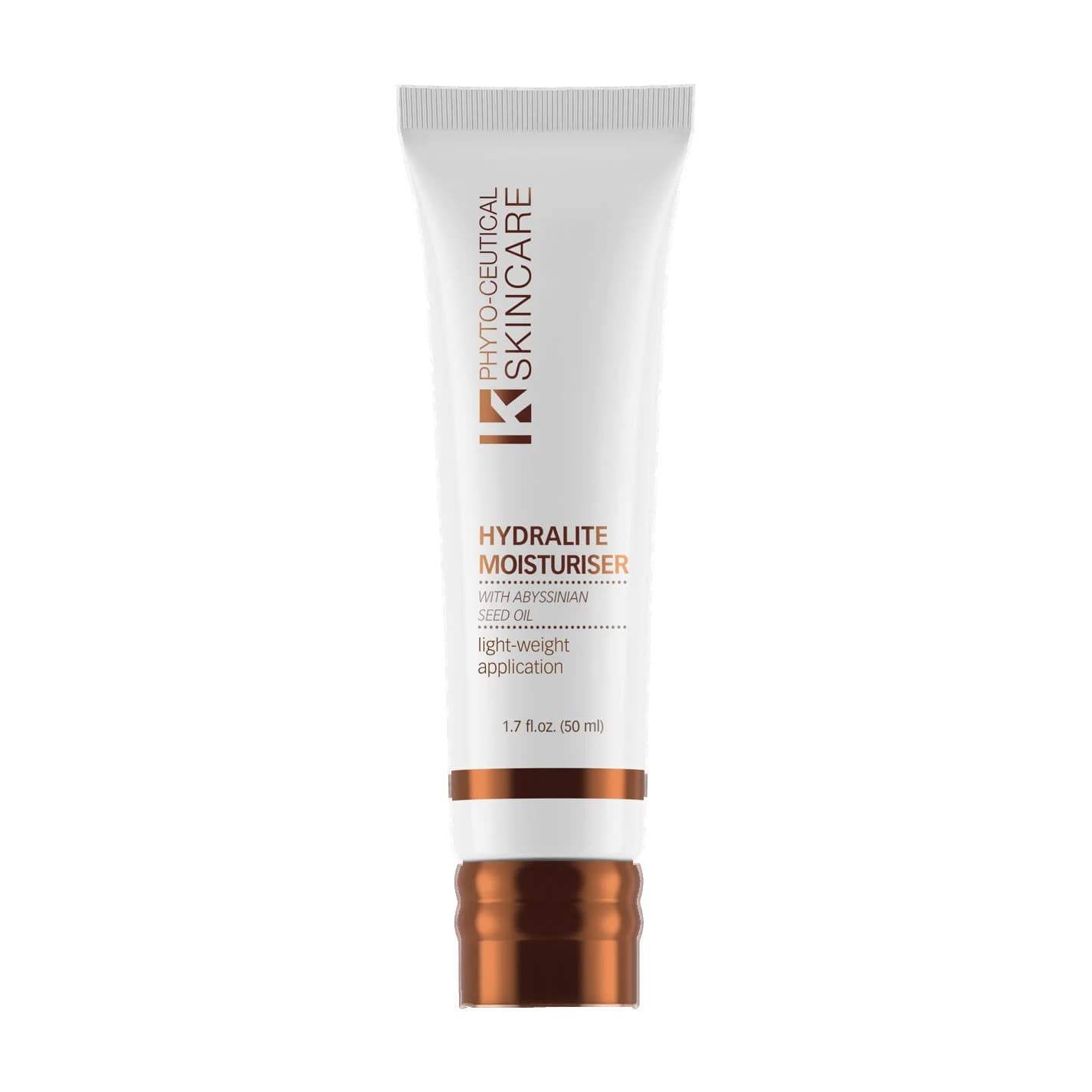
- Simplify your routine to a gentle cleanser, a barrier-supporting moisturiser and sunscreen for a few weeks.
- Cleanse gently, with lukewarm water and a mild, non-stripping cleanser.
- Pause strong actives such as retinol, exfoliating acids and scrubs until your skin feels calm again.
- Replace what is missing. Moisturisers that contain skin-identical lipids such as ceramides help rebuild the "mortar", and hydrators like hyaluronic acid help with dehydration.
- Avoid fragrance and alcohol-heavy products while your skin recovers.
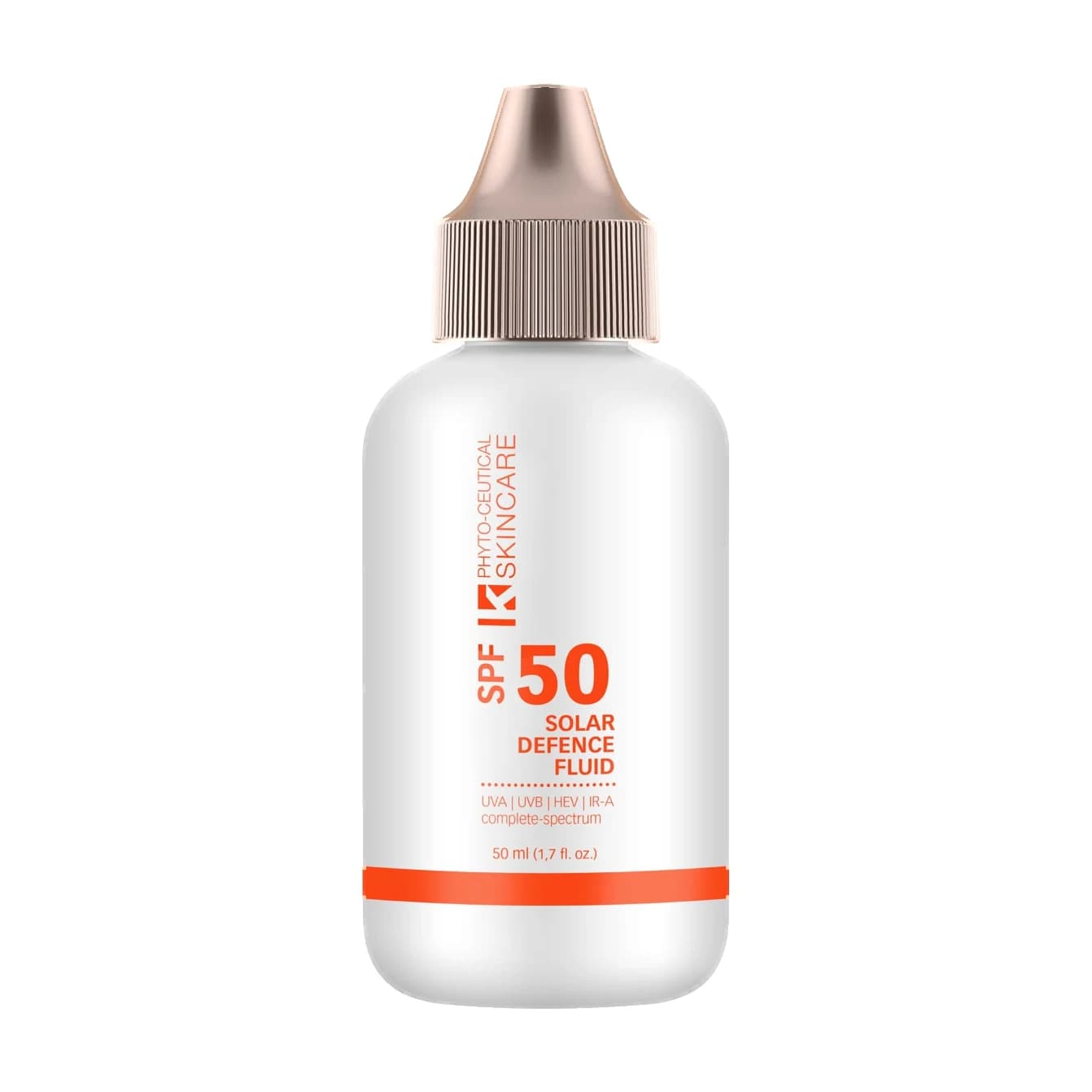
- Wear sunscreen daily. Mineral sunscreens are often more comfortable on sensitive skin. See our sunscreen guide.
When your skin is comfortable again, reintroduce active ingredients one at a time, starting slowly.
Can professional treatments help?
Yes, the right ones. A calming, hydrating facial focused on soothing and replenishing the skin can support recovery, and your therapist can help you work out what triggered the problem in the first place.
Stronger treatments such as chemical peels and microneedling are best postponed until your barrier is healthy again. Treating irritated skin increases the risk of a reaction.
How long does it take the barrier to recover?
It depends on how damaged it is and how consistently you care for it. Many people notice their skin feels calmer within a week or two of simplifying their routine, but give it several weeks before judging.
If your skin stays very red, sore, itchy or inflamed despite a gentle routine, see a doctor, as conditions such as eczema or rosacea may need medical treatment.
Questions we’re often asked
How do I know if my skin is sensitive or my barrier is damaged?
They often overlap. Sensitive skin tends to react easily all the time, while a damaged barrier usually appears after a change, such as a new product, over-exfoliating or harsh weather.
Can oily skin have a damaged barrier?
Yes. Oily skin can still be dehydrated and irritated, especially if it has been over-cleansed or over-treated.
Should I stop using retinol if my barrier is damaged?
Pause Retinol use until your skin feels comfortable, then reintroduce it slowly, a few nights a week at first.
Can I have a facial with a damaged barrier?
es, a gentle, calming facial can help. Every MAIÈ facial is bespoke: we treat your skin based on what it's presenting on the day, not a fixed routine. For a compromised barrier, that means soothing, barrier-restoring products and cooling modalities to reduce redness and irritation.
This article is general information to help you understand your skin and your options. It isn’t a diagnosis or medical advice. If you are pregnant, on medication or have a skin condition, speak to your doctor, and always tell your therapist about your health history before a treatment.