Know your skin
How to identify your skin type
Reviewed by Cassidy, aesthetic therapist · Updated · 4 min read
The short answer
There are four main skin types: oily, dry, combination and normal. Your skin type is largely genetic and stays fairly stable, while skin conditions such as dehydration, sensitivity or breakouts come and go. To find your type, notice how your skin feels and looks a few hours after cleansing: shiny all over suggests oily, tight and flaky suggests dry, an oily T-zone with normal or dry cheeks suggests combination, and comfortable and balanced suggests normal.
Key points
- Skin type (oily, dry, combination, normal) is largely inherited and fairly stable.
- Skin conditions such as dehydration and sensitivity are temporary and can affect any type.
- Dry skin lacks oil. Dehydrated skin lacks water. Oily skin can be dehydrated.
- A professional manual skin analysis gives the clearest answer.
Knowing your skin type makes almost every skincare decision easier, from choosing a cleanser to deciding which treatment to book. Here is how to work it out.
What are the four skin types?
| Skin type | How it usually looks and feels | Common concerns |
|---|---|---|
| Oily | Shiny, especially across the forehead, nose and chin (the T-zone) | Enlarged-looking pores, blackheads, breakouts |
| Dry | Dull, rough, tight or flaky, with little shine | Irritation, early fine lines, discomfort |
| Combination | Oily T-zone with normal or dry cheeks | Needs balance, changes with the seasons |
| Normal | Comfortable and balanced, with few problems | Mainly maintenance and prevention |
Your skin type is largely determined by your genes, especially how much oil (sebum) your skin produces. It tends to stay fairly consistent, although hormones and age can shift it over time.
How can you find your skin type at home?
A simple observation test gives you a good starting point:
- Cleanse your face with a gentle cleanser and pat it dry.
- Apply nothing, and wait a few hours.
- Look in natural light and notice how your skin feels.
- Shiny all over and feels greasy: likely oily.
- Tight, rough or flaky, with no shine: likely dry.
- Shiny on the forehead, nose and chin, comfortable or dry elsewhere: likely combination.
- Comfortable, not tight, and only slight shine if any: likely normal.
What is the difference between skin type and skin condition?
This is where many people get confused. Your skin type is what you are born with. A skin condition is a temporary state caused by things like the weather, hormones, stress, diet, products or treatments. Conditions can affect any skin type and can usually be improved.
Common skin conditions include:
- Dehydration: skin lacking water, which can feel tight and look dull even if it is oily
- Sensitivity: skin that reacts easily with redness or stinging, often linked to a weakened skin barrier
- Congestion and breakouts
- Pigmentation: uneven tone, dark marks or sun spots
Is my skin dry or dehydrated?
They sound similar but need different care.
- Dry skin is a skin type. It produces too little oil, so it tends to feel rough and tight and can look flaky.
- Dehydrated skin is a condition. It lacks water, often because of weather, lifestyle or a damaged barrier. It can make skin look dull and emphasise fine lines, and it can happen to oily skin too.
Dry skin needs oil-replenishing, barrier-supporting products. Dehydrated skin needs hydrating ingredients, such as hyaluronic acid, and help keeping that water in.
Why does your skin type matter for treatments?
Your skin type and condition guide which products, peels and treatments suit you. For example, oily, congested skin may benefit from an acid that works inside the pores, while dry or sensitive skin often does better with a gentler, more hydrating approach.
For treatments like chemical peels, your therapist will also consider how your skin responds to the sun. Professionals use a scale called the Fitzpatrick scale, which groups skin into six types according to how easily it burns or tans. It helps predict the risk of pigmentation or irritation after treatment, so the approach can be adjusted for every skin tone.
Is a professional skin analysis worth it?
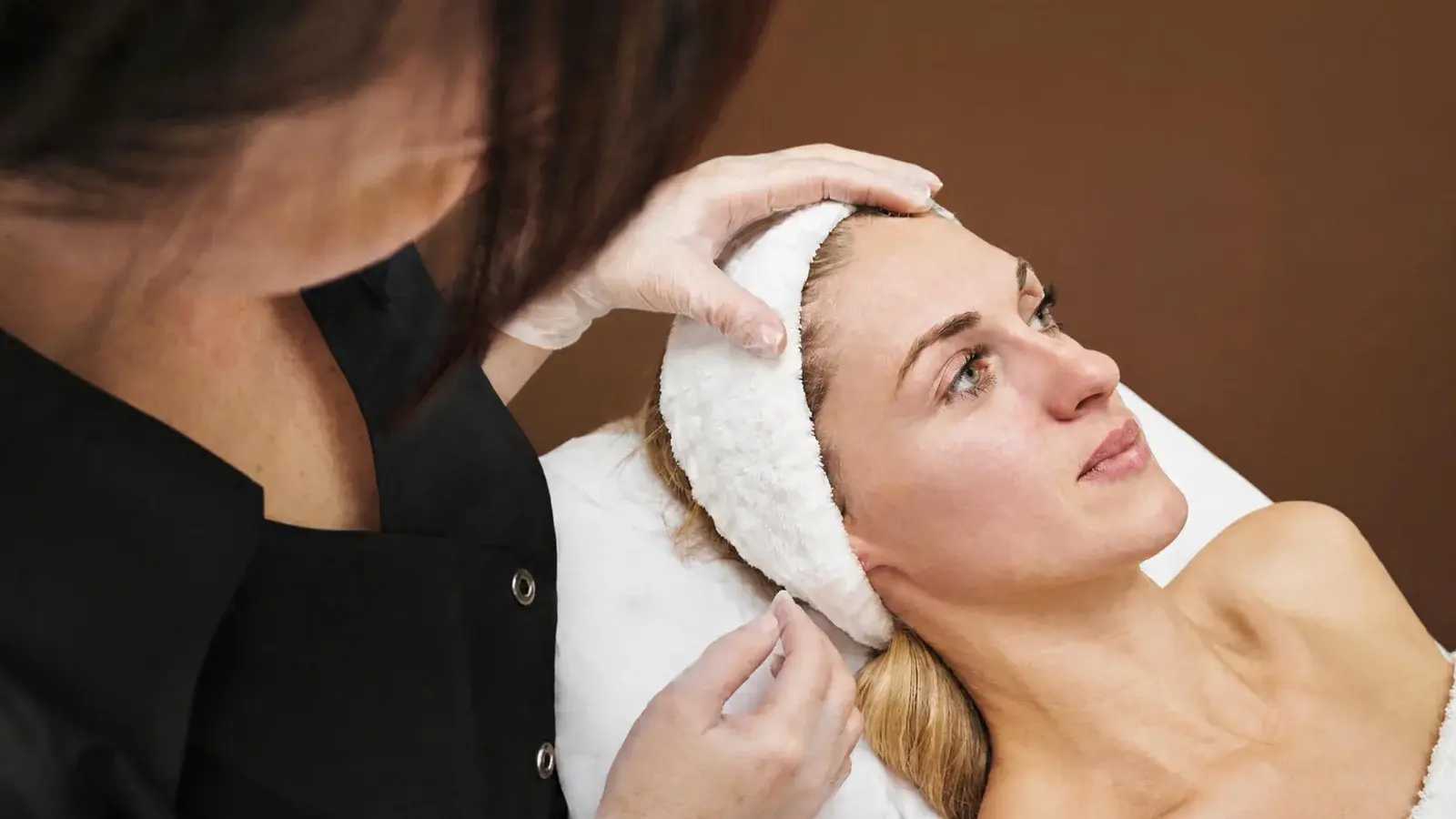
The home test is a good start, but your skin can be misleading. Oily skin that is dehydrated can feel tight, and sensitive skin can look dry. A therapist examining your skin in person can separate type from condition and build a routine around both.
Questions we’re often asked
Can your skin type change?
Your basic type is fairly stable, but hormones, pregnancy, menopause and age can shift it. Skin conditions such as dehydration change much more often.
Can oily skin be dehydrated?
Yes. Oily skin can lack water, especially if it is over-cleansed. It may feel tight and look dull while still being shiny.
What is sensitive skin?
Sensitive skin reacts easily to things like products, temperature or friction, with redness, stinging or burning. It is often linked to an impaired skin barrier.
Do I need different products for combination skin?
Often, a balanced routine works well: a gentle cleanser, a light moisturiser and targeted treatments where needed, such as a richer cream on dry cheeks.
What is the Fitzpatrick scale?
It is a scale that groups skin into six types by how it responds to the sun. Therapists use it to plan treatments safely for every skin tone.
This article is general information to help you understand your skin and your options. It isn’t a diagnosis or medical advice. If you are pregnant, on medication or have a skin condition, speak to your doctor, and always tell your therapist about your health history before a treatment.