Treatments & the salon
Chemical peels explained: who they suit and what to expect
Reviewed by Cassidy, aesthetic therapist · Updated · 4 min read
The short answer
A chemical peel is a professionally chosen acid solution applied to the skin to dissolve the bonds holding dull, dead surface cells, so fresher skin shows through. Superficial peels, the type we offer at MAIÈ, work only on the outermost layer, suit most skin types and usually mean one to three days of light flaking at most. Results build over a course of treatments.
Key points
- Peels range from superficial to medium and deep. Superficial peels have little to no downtime.
- They can help with dullness, uneven tone, rough texture, congestion, breakouts, fine lines and marks left behind by spots.
- Different acids behave differently, so the right choice depends on your skin type and concern.
- Daily sunscreen is essential before and after a peel.
The word "peel" sounds dramatic, but most modern peels are nothing like the red, raw skin people imagine. Here is what a chemical peel really is, who it helps and what to expect.
What is a chemical peel?
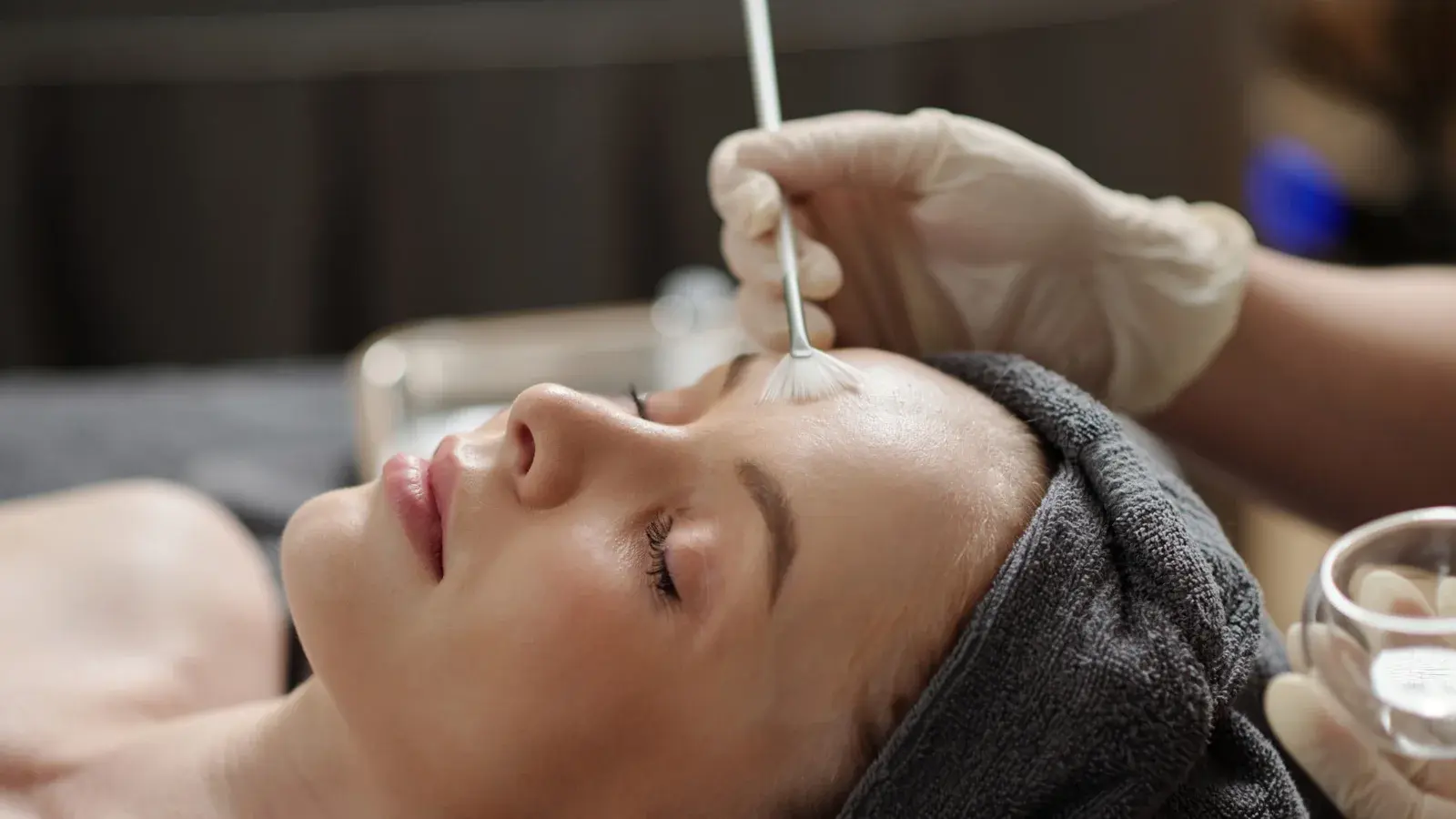
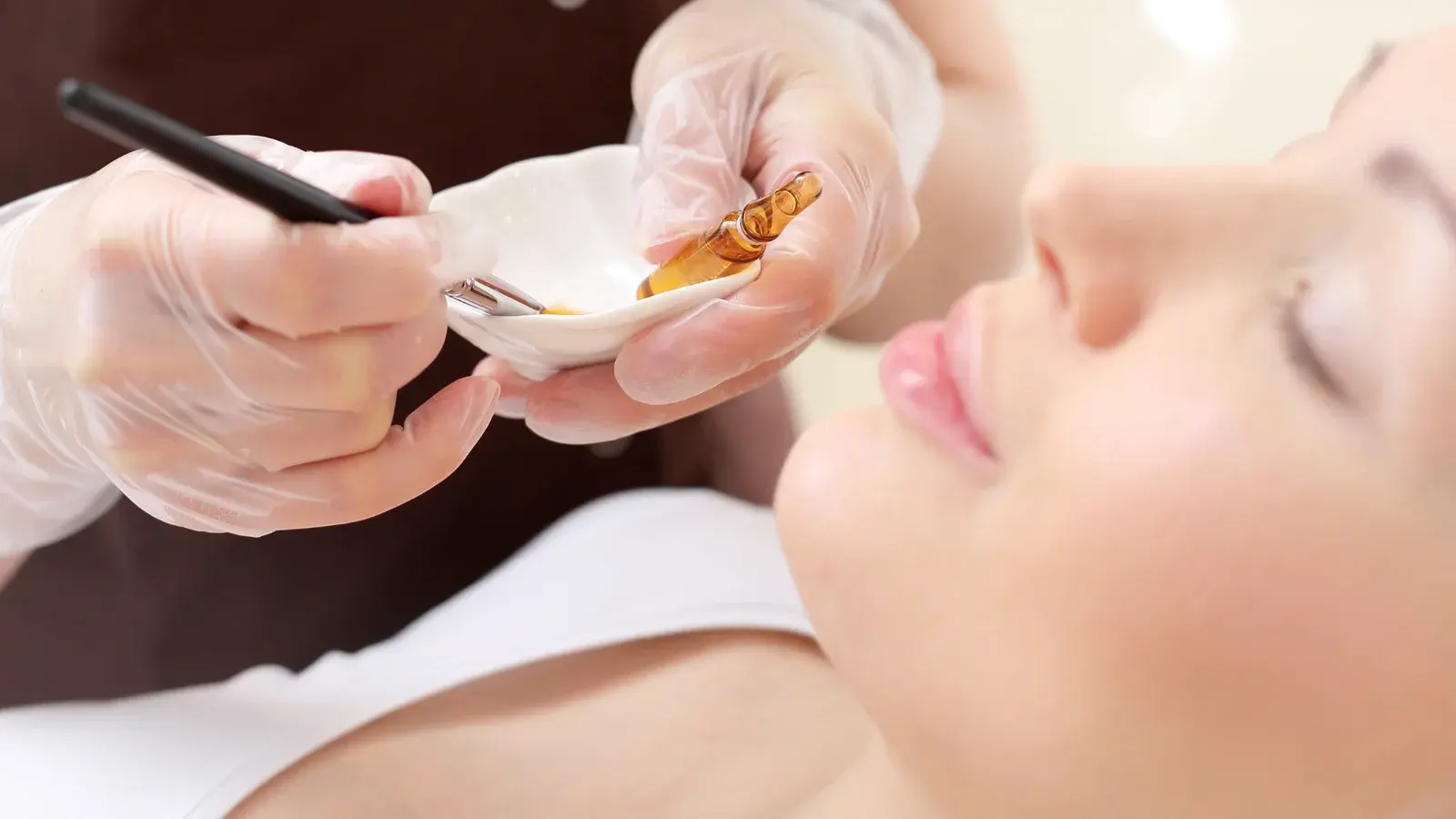
A chemical peel is a controlled exfoliation. A carefully selected acid solution is applied to clean skin, where it loosens the "glue" between dead cells on the surface. Those cells then shed more quickly, revealing the smoother, brighter skin underneath and encouraging the skin to renew itself.
The key word is controlled. The acid, its strength and how long it stays on the skin are all chosen by your therapist, based on your skin type and what you want to improve.
What is the difference between superficial, medium and deep chemical peels?
Peels are grouped by how deeply they work.
| Type | How deep it works | What recovery looks like |
|---|---|---|
| Superficial | The outermost layer of the skin only | Little to no downtime, sometimes light flaking for a few days |
| Medium | Deeper into the skin | More irritation, longer recovery and stricter precautions |
| Deep | Much deeper, for deep lines and scarring | Intensive exfoliation and the longest recovery |
At MAIÈ we offer superficial peels. They are gentle enough to fit into everyday life, and when done as a course they can make a real difference to how your skin looks and feels.
Which acids are used in chemical peels?
Superficial peels usually use alpha hydroxy acids (AHAs), beta hydroxy acids (BHAs) or a blend. Each behaves a little differently:
- Glycolic acid is an AHA made from sugar cane. It is a strong exfoliant that speeds up cell turnover, which helps smooth texture and fine lines.
- Lactic acid is an AHA with a larger molecule, so it works more slowly and gently. It also helps the skin hold moisture, which makes it a good first peel and a kind choice for dry or sensitive skin.
- Mandelic acid is an AHA from bitter almonds. It is known for being gentle and is often chosen for sensitive, reactive or darker skin tones.
- Salicylic acid is a BHA. It dissolves in oil, so it can work inside the pores, making it useful for congestion and breakouts.
Our guide to fruit acids and AHAs goes into more detail.
Who do chemical peels suit?
Superficial peels can suit almost all skin types and tones. They are often recommended for:
- Dull, tired-looking skin
- Uneven skin tone and marks left behind after breakouts
- Rough texture
- Congestion, blackheads and breakouts
- Fine lines and early signs of ageing
- Signs of sun damage
Darker skin tones can have peels safely, but the choice of acid and strength matters more, because irritated skin in darker tones is more likely to develop pigmentation. This is one reason a proper consultation comes first.
A peel is not suitable for everyone at every moment. Active skin infections, open wounds, recent sunburn and some medications are reasons to wait. See who shouldn't have peels or microneedling.
What happens during a chemical peel at MAIÈ?
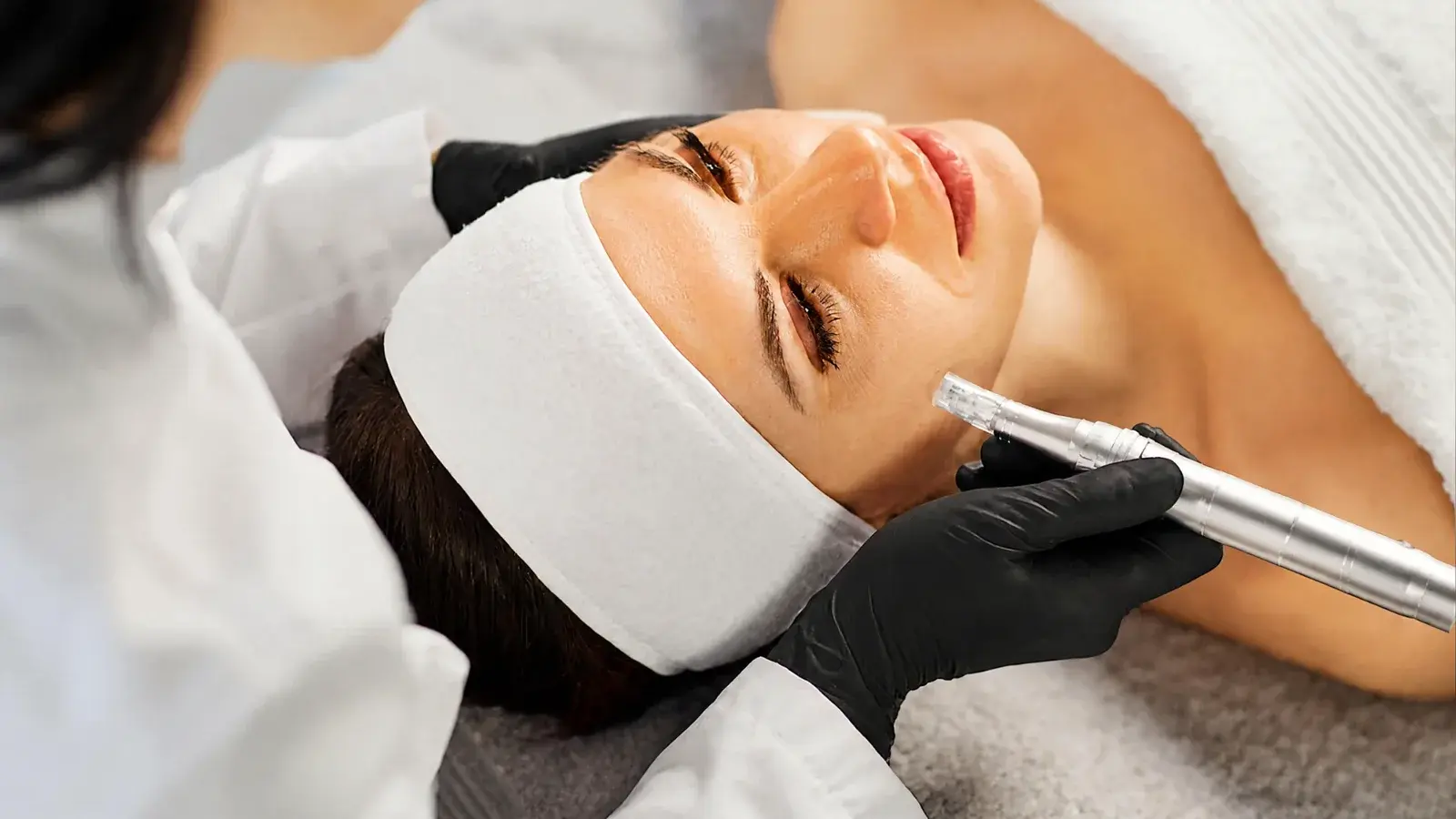
Your Chemical Peel appointment takes about 45 minutes. It starts with a consultation and manual skin analysis so we can choose the right peel solution and strength for you. Your skin is then cleansed and prepared, the peel is applied and timed carefully, and it is neutralised or removed before a calming finish and sunscreen.
Most people feel a warm, tingling or mildly itchy sensation while the peel is on. It should never feel unbearable. Tell your therapist straight away if it does.
What does your skin look like after a chemical peel?
Straight after a superficial peel your skin may look slightly pink and feel a little tight. Over the next one to three days you might notice light flaking, usually around the mouth and nose. Many people see no visible peeling at all, and that does not mean the peel has not worked.
The most important aftercare is simple: keep your skin hydrated, avoid the sun and wear a broad-spectrum sunscreen every day. Our chemical peel aftercare guide walks you through the first week.
How many chemical peels will you need?
Some people notice brighter, smoother skin after one peel, but the best results come from a series. Aesthetic clinics commonly recommend courses of six or more superficial peels, and once a course is complete the improvement can last for months with good home care and sun protection. Your therapist will suggest a plan based on your skin and your goals.
Questions we’re often asked
Does a chemical peel hurt?
A superficial peel usually feels warm and tingly for a few minutes. It can be a little uncomfortable, but it should not be painful.
Will my skin peel off in sheets?
Not with a superficial peel. You may see light flaking for a few days, or nothing visible at all.
Can I have a peel if I have a darker skin tone?
Yes, with the right acid and careful preparation. Gentler acids such as mandelic acid are often chosen, and sun protection before and after is essential.
When will I see results?
Many people notice brighter, smoother skin within a week of their first peel. The bigger changes build over a course.
Can I wear makeup after a chemical peel?
It is best to keep your skin bare for the rest of the day. Your therapist will tell you when to go back to your usual products.
This article is general information to help you understand your skin and your options. It isn’t a diagnosis or medical advice. If you are pregnant, on medication or have a skin condition, speak to your doctor, and always tell your therapist about your health history before a treatment.