Ingredients, explained
Fruit acids and AHAs: exfoliation without the guesswork
Reviewed by Cassidy, aesthetic therapist · Updated · 3 min read
The short answer
AHAs (alpha hydroxy acids), often called fruit acids, exfoliate by loosening the bonds between dead cells on the surface of the skin, revealing smoother, brighter skin. Glycolic acid is the strongest and fastest working, lactic acid is gentler and hydrating, and mandelic acid is the gentlest and suits sensitive and darker skin. Start with a low strength in your evening routine a couple of times a week, and wear sunscreen every day.
Key points
- AHAs dissolve the "glue" between dead skin cells so they shed more easily.
- Glycolic is strong, lactic is gentle and hydrating, mandelic is the gentlest.
- At home, start low (around 5 to 10% glycolic) and use them in the evening, once or twice a week.
- Always wear sunscreen, and don't stack several strong exfoliants.
Acids have a scary name, but they are among the most useful ingredients in skincare. Used well, they make skin smoother, brighter and more even. Used carelessly, they are a common cause of irritation. Here is how to use them with confidence.
What are AHAs?
Alpha hydroxy acids are a family of water-soluble acids that exfoliate the skin chemically. Rather than scrubbing, they loosen the bonds that hold dull, dead cells to the surface, so those cells shed more easily and fresher skin shows through.
They are often called fruit acids because several of them come from natural sources, such as sugar cane or bitter almonds.
What are the main AHAs, and how do they differ?
| Acid | Where it comes from | Strength | Best for |
|---|---|---|---|
| Glycolic | Sugar cane | Strongest, smallest molecule | Texture, dullness, fine lines, signs of sun damage |
| Lactic | Naturally occurring AHA | Gentler, larger molecule | Dry, dehydrated or first-time exfoliation |
| Mandelic | Bitter almonds | Gentlest | Sensitive, reactive or darker skin tones, breakouts |
- Glycolic acid speeds up cell turnover to smooth fine lines and improve texture, and can help encourage collagen. It is effective but also the most likely to irritate.
- Lactic acid works more slowly because of its larger molecule, and it helps the skin hold on to moisture. That makes it a kind choice for dry skin and a good introduction to acids.
- Mandelic acid is known for being gentle, which is why it is often chosen for sensitive skin and for darker skin tones, where irritation can lead to pigmentation.
You will also see salicylic acid, which is a beta hydroxy acid (BHA) rather than an AHA. It dissolves in oil, so it can work inside the pores, making it helpful for congestion and breakouts.
How do you use AHAs at home?
- Start low. For glycolic acid, a concentration of around 5 to 10% is a sensible place to begin.
- Use them at night. Acids make the skin more vulnerable to the sun, so evening is best.
- Start slowly. Once or twice a week at first, and only increase if your skin is comfortable.
- Moisturise afterwards, ideally with hydrating ingredients such as hyaluronic acid.
- Wear sunscreen every morning, without exception.
Mild tingling is normal. Persistent stinging, burning, redness or flaking means you are overdoing it.
What should you not combine with AHAs?
Too much exfoliation is one of the quickest ways to damage your skin barrier. Be careful with:
- Using several exfoliating products in the same routine, such as an acid toner, an acid serum and a scrub
- Using strong acids on the same night as retinol, unless your therapist has built the routine with you
- Acids on irritated, sunburnt or broken skin
If you are unsure how to fit acids around your other products, ask your therapist to plan it with you.
When is a professional peel better than home acids?
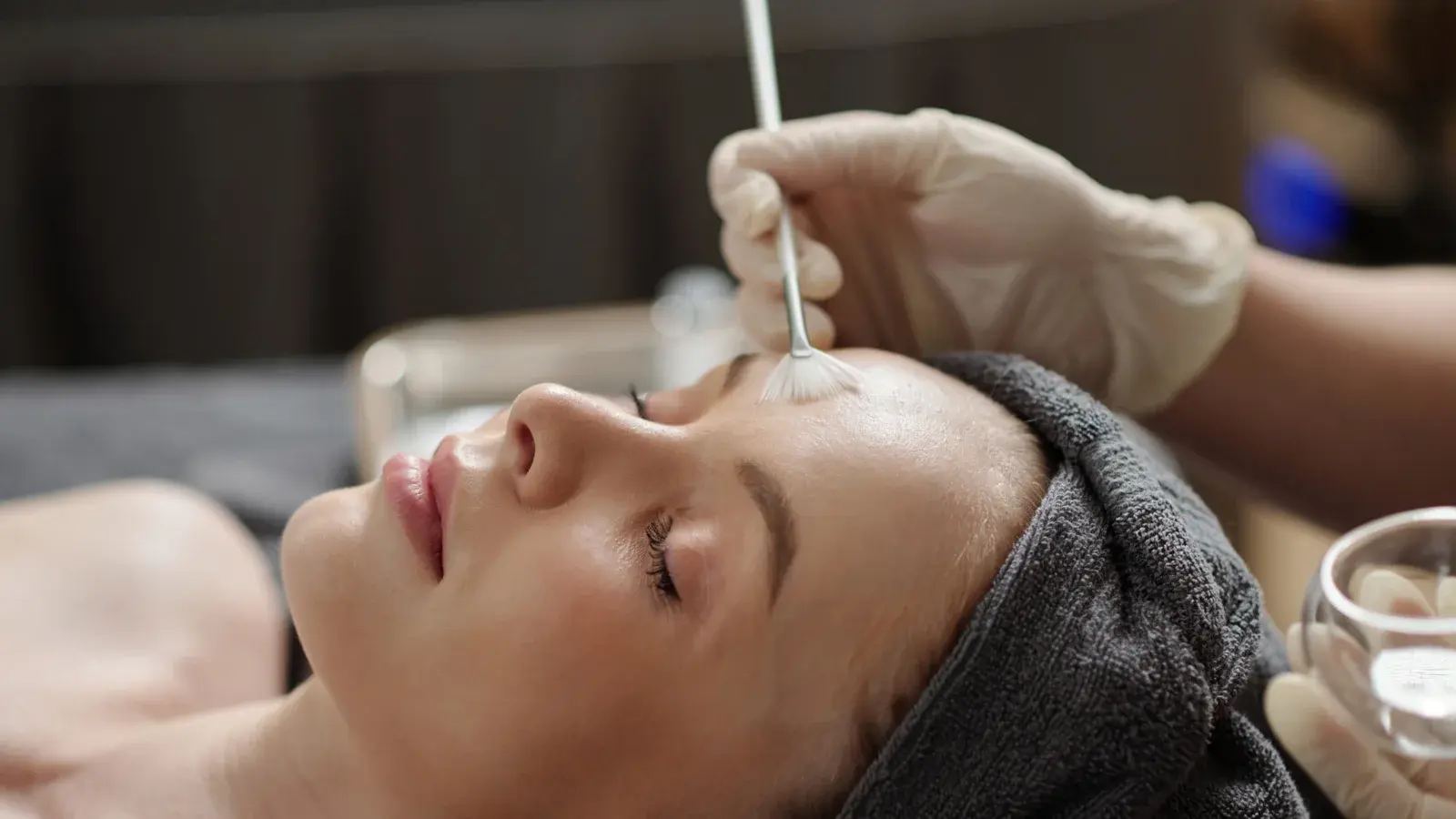
Home acids are designed for gentle, regular maintenance. A professional chemical peel uses stronger, carefully timed acids chosen for your skin, and delivers a more even, noticeable result, usually as a course. It also comes with a proper assessment first, which matters if you have sensitive skin, pigmentation concerns or a darker skin tone.
Many people get the best of both: a course of professional peels, supported by a mild acid at home between treatments, if your therapist recommends it.
Questions we’re often asked
Are AHAs safe for sensitive skin?
Gentler acids such as lactic or mandelic acid can suit sensitive skin, used sparingly. If your skin is currently irritated, repair your barrier first.
Can I use AHAs every day?
Most people do better with a few times a week. Some very gentle products are designed for daily use, but more is not always better.
Should I use AHAs in the morning or at night?
At night. Acids make skin more sensitive to the sun, and you should wear sunscreen every morning.
What is the difference between AHAs and BHAs?
AHAs are water-soluble and work on the surface of the skin. BHAs, such as salicylic acid, are oil-soluble and can work inside the pores.
Do I need to stop acids before a treatment?
Yes. Pause exfoliating acids for at least three days before a chemical peel or microneedling treatment.
This article is general information to help you understand your skin and your options. It isn’t a diagnosis or medical advice. If you are pregnant, on medication or have a skin condition, speak to your doctor, and always tell your therapist about your health history before a treatment.