Seasonal
Spring skin refresh: how to reset your skin after winter
Reviewed by Cassidy, aesthetic therapist · Updated · 3 min read

The short answer
A spring skin refresh means clearing away winter dullness with gentle exfoliation, switching to lighter hydrating moisturisers and stepping up your sun protection as UV rises towards summer. It is also a good time for a facial or the start of a peel course, as long as you are strict with sunscreen afterwards.
Key points
- Winter's cold, dry air often leaves skin dull, dehydrated and flaky.
- A professional facial or light chemical peel can help revive your skin again.
- Swap rich winter moisturisers for lighter, hydrating ones as the weather warms up.
- UV climbs quickly in a South African spring, so daily SPF 50 matters more from now on.
In South Africa, spring runs from September to November, and the change is fast. One week your skin is dry and tight from winter, the next the sun is noticeably stronger. A few simple changes help your skin make the switch.
What does winter do to your skin?
Cooler weather brings lower humidity, cold wind and heated indoor air. Together they pull moisture from the skin and can weaken the skin barrier. By the end of winter many people notice:
- Dullness and a rough, uneven texture
- Dry, tight or flaky patches
- More sensitivity than usual
- Congestion from rich winter creams
Spring is the moment to clear that away and reset.
Step 1: exfoliate, gently
Dead cells build up on dry winter skin and make it look dull. Exfoliation brightens the skin and helps your products absorb better, but go gently, especially if your skin has been sensitive.
- At home: an enzyme exfoliant or a mild acid once or twice a week is plenty. Our guide to fruit acids and AHAs explains the options.
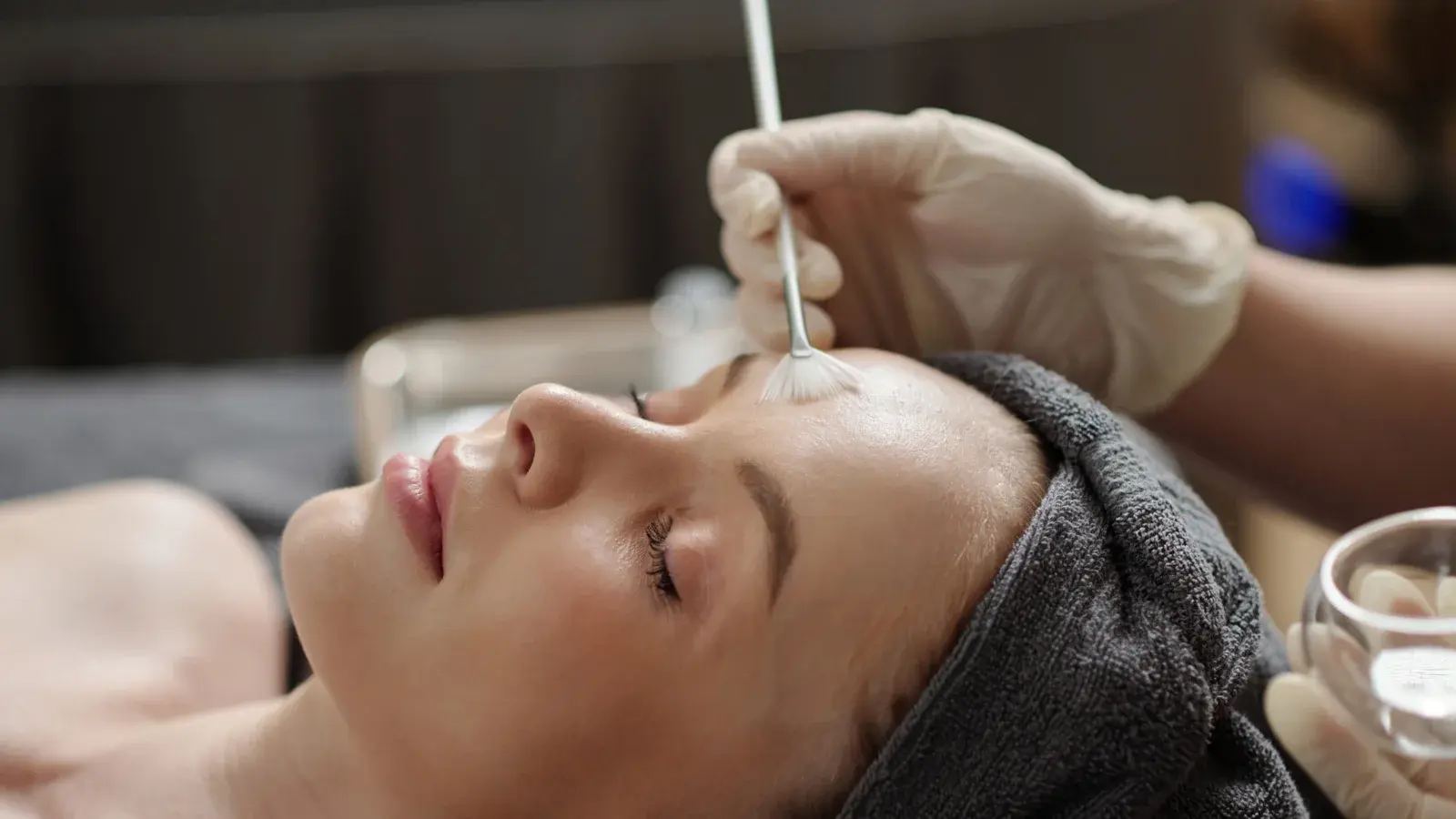
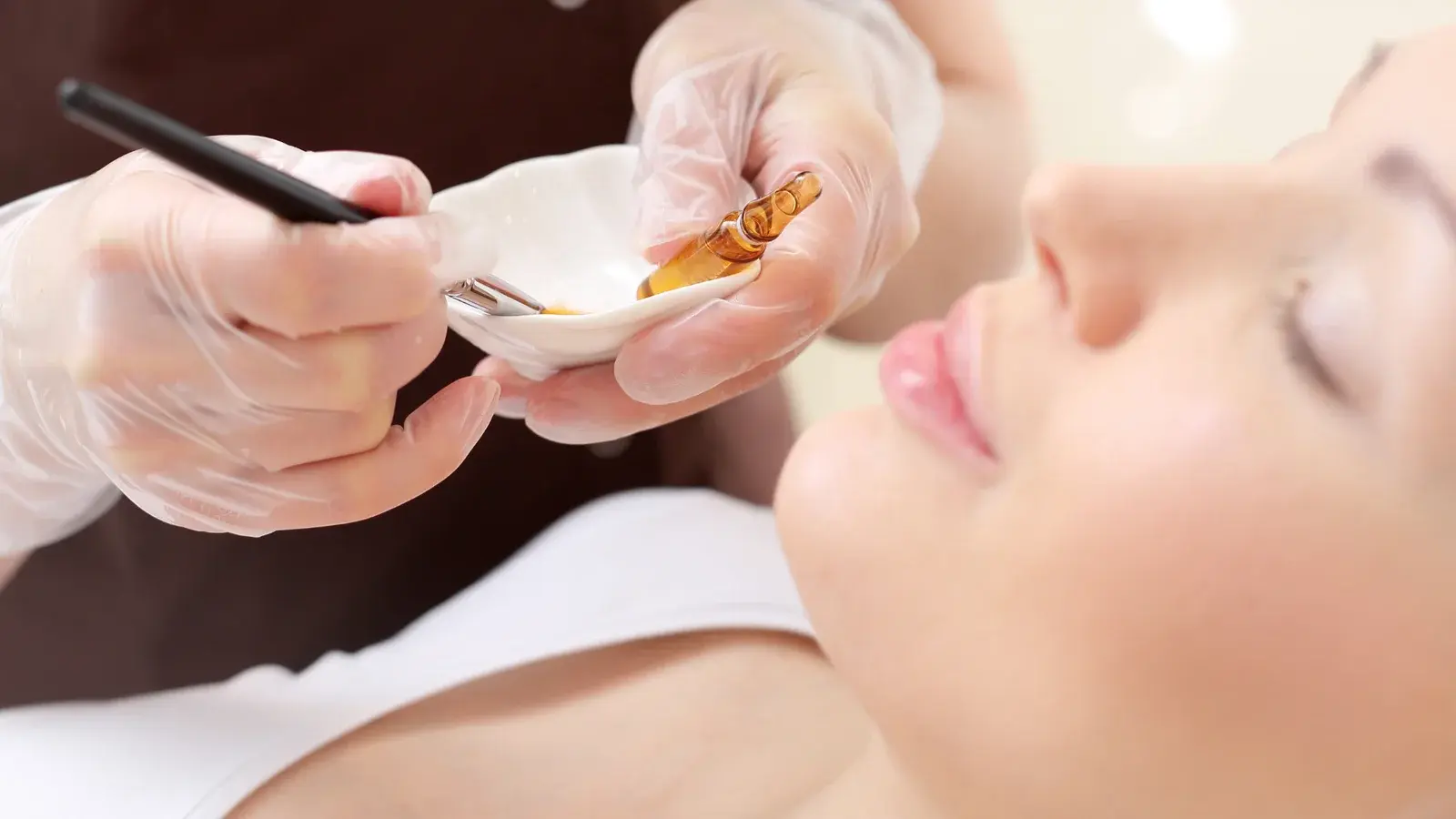
- In the salon: a professional facial gives your skin a thorough reset, or a chemical peel can target texture and uneven tone more directly.
Step 2: lighten your hydration
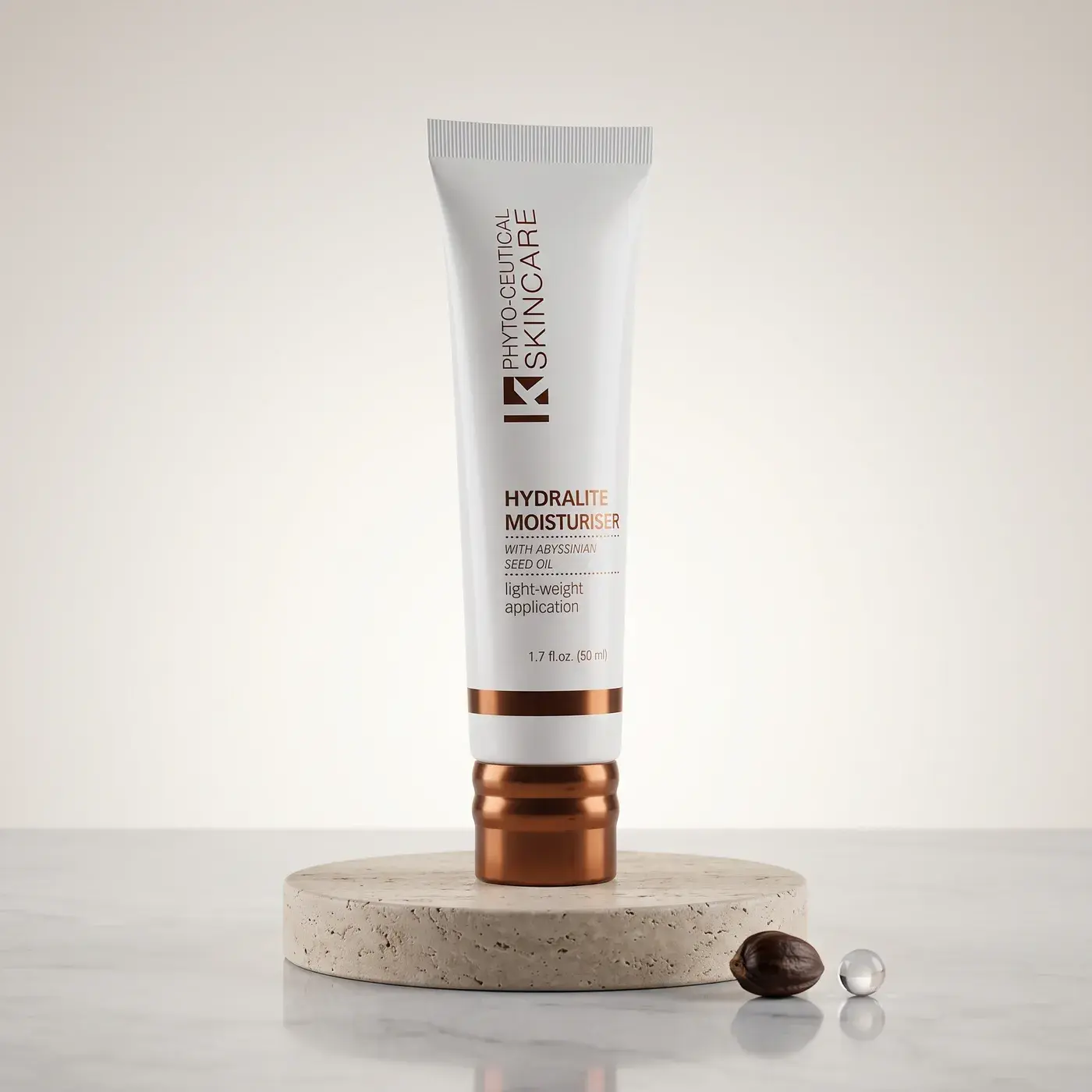
As the weather warms, rich winter moisturisers can start to feel heavy and may contribute to congestion. Most skin types do well with a lighter, hydrating texture in spring and summer. Look for hydrating ingredients such as hyaluronic acid, and keep a richer cream on hand for cool evenings or if your skin still feels tight.
Remember that oily skin can be dehydrated too. Lighter does not mean skipping moisturiser.
Step 3: add antioxidant protection
Longer days mean more exposure to UV and environmental stress, which create free radicals that contribute to dullness, pigmentation and the breakdown of collagen. A vitamin C or antioxidant serum in the morning, under your sunscreen, adds a helpful extra layer of defence. Read more in antioxidants and why your skin needs them.
Step 4: step up your sun protection
This is the most important spring change. UV rises steadily through spring, and South African summers regularly reach extreme UV levels.
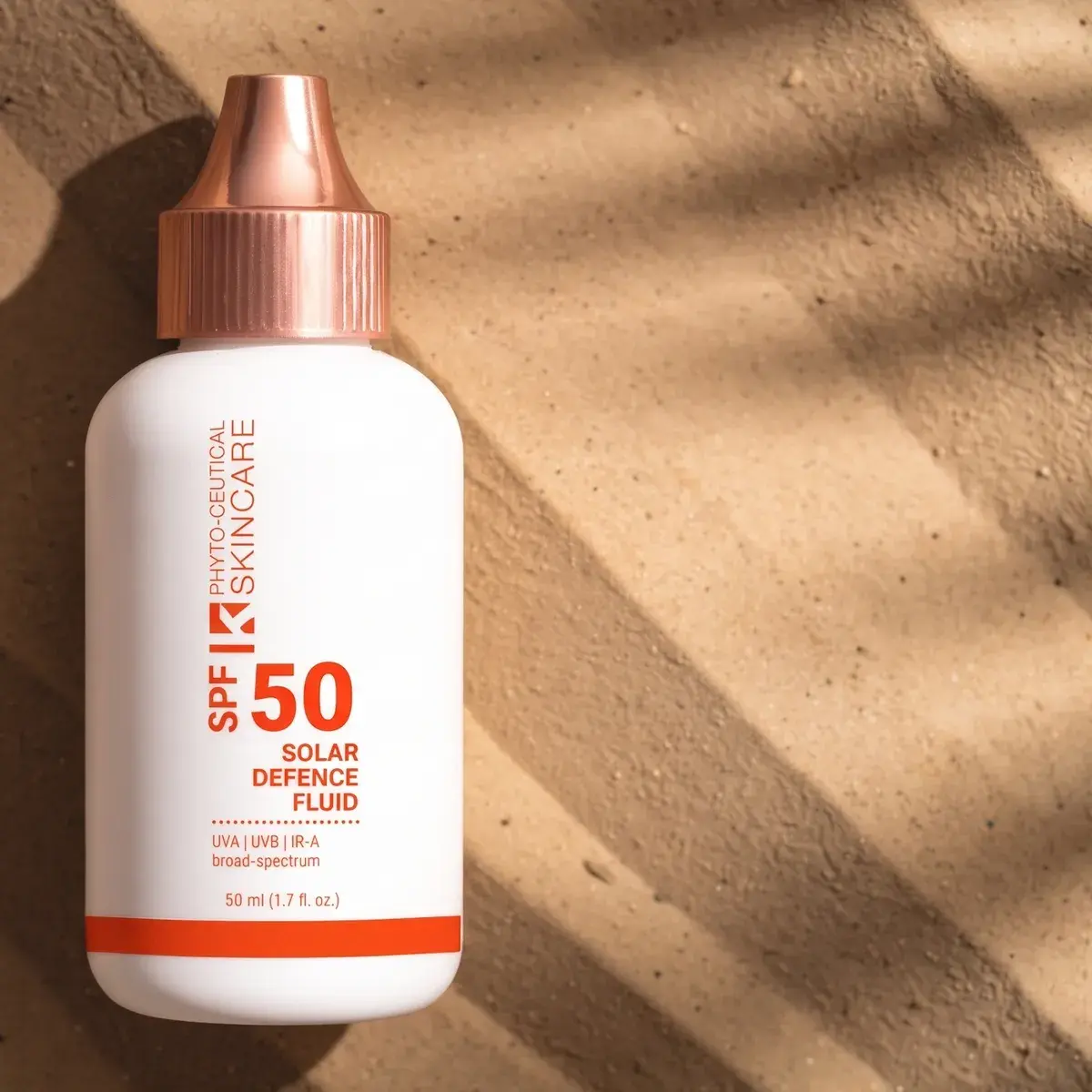
- Wear a broad-spectrum SPF every day, and choose SPF 50 as the season warms up.
- Reapply every two hours when you are outdoors.
- Add a hat and sunglasses for time outside.
Our sunscreen guide will help you choose a formula you enjoy.
Is spring a good time for peels and microneedling?
Winter is ideal for treatments that need you to avoid the sun, because there is less sun to avoid. Spring can still work well, especially for superficial peels and microneedling, as long as you commit to strict sun protection during and after your course.
If you are planning a longer course or have a history of pigmentation, talk to us about timing. Starting early in spring, rather than just before the December holidays, gives your skin the best chance.
Your spring refresh checklist
- Book a facial or consultation to reset and review your routine.
- Exfoliate gently once or twice a week.
- Switch to a lighter moisturiser if your winter cream feels heavy.
- Add a morning antioxidant serum.
- Upgrade to a daily broad-spectrum SPF 50 and reapply outdoors.
Questions we’re often asked
When is spring in South Africa?
Spring runs from September to November.
Should I change my whole routine for spring?
No. Small changes are enough: lighter moisturisers, gentle exfoliation and stronger sun protection.
Can I have a chemical peel in spring?
Yes, with strict daily sunscreen and sun avoidance while your skin renews. Your therapist will choose a suitable peel and plan the timing with you.
Why is my skin breaking out as the weather warms?
Heavier winter products, more sweat and oil production can all contribute. Lighter moisturisers and regular cleansing usually help.
Do I still need a moisturiser in spring?
Yes. Most skin types still need hydration, just in a lighter texture.
This article is general information to help you understand your skin and your options. It isn’t a diagnosis or medical advice. If you are pregnant, on medication or have a skin condition, speak to your doctor, and always tell your therapist about your health history before a treatment.