Routines & habits
Sunscreen guide: mineral vs chemical SPF
Reviewed by Cassidy, aesthetic therapist · Updated · 3 min read
The short answer
Mineral sunscreens use zinc oxide or titanium dioxide to sit on the skin and reflect UV, and they are often kinder to sensitive skin. Chemical sunscreens absorb UV and turn it into heat, and they usually feel lighter and resist sweat better. Both work well when used properly. In South Africa, choose a broad-spectrum SPF 30 at least every day, SPF 50 for summer and time outdoors, and reapply every two hours.
Key points
- Mineral and chemical sunscreens both protect well when applied generously and reapplied.
- Broad-spectrum matters: UVB burns, and UVA ages the skin and passes through glass.
- South Africa's summer UV often reaches extreme levels, so SPF 50 is a sensible summer choice.
- The best sunscreen is the one you enjoy wearing every day.
Sunscreen is the most important product in any skincare routine. It protects your skin from burning, from early signs of ageing and from pigmentation, and it protects the results of every treatment you invest in. Here is how to choose one.
What is the difference between UVA and UVB?
The sun gives off two types of ultraviolet light that affect the skin:
- UVB is mainly responsible for sunburn. It damages the surface of the skin, causing redness and pain.
- UVA reaches deeper and breaks down collagen and elastin, which leads to wrinkles, loss of firmness and pigmentation such as age spots. Ordinary window glass blocks most UVB but lets UVA through, so UVA reaches you indoors, in the car and at your desk by the window.
A broad-spectrum sunscreen protects against both. The SPF number mainly tells you about UVB protection, so always check that a sunscreen is also labelled broad-spectrum or UVA-protective.
Mineral vs chemical sunscreen: what is the difference?
| Mineral sunscreen | Chemical sunscreen | |
|---|---|---|
| Active ingredients | Zinc oxide, titanium dioxide | Filters such as avobenzone and octocrylene |
| How it works | Sits on the skin and reflects UV | Absorbs UV and converts it into heat |
| Feel | Can feel richer, may leave a slight cast | Usually light and easy to blend |
| Good for | Sensitive, reactive or rosacea-prone skin, and after treatments | Everyday wear, active lifestyles, sweat and water |
| Watch out for | Rubbing in thoroughly, reapplying after touching your face | Irritation in very sensitive skin |
Both types are effective when used correctly. Many people keep one of each: a gentle mineral formula for sensitive days or after treatments, and a light chemical formula for everyday use or exercise.
Which SPF do you need in South Africa?
South Africa has some of the strongest sunshine in the world, and in summer the UV index often reaches extreme levels in many provinces. The country also has one of the highest rates of skin cancer globally.
- SPF 30 is a reasonable minimum for short, everyday exposure, such as walking to your car or quick errands.
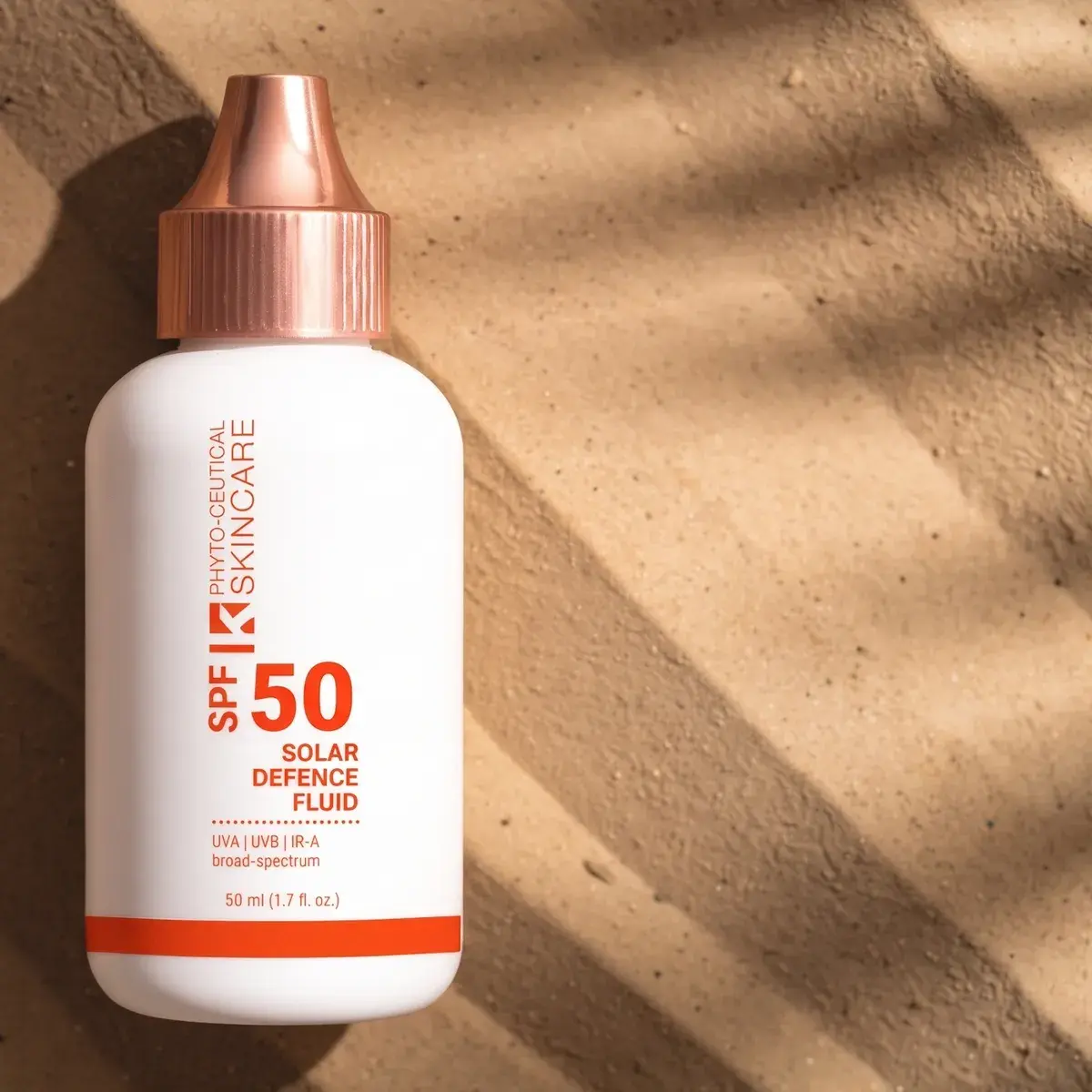
- SPF 50 is a sensible choice for South African summers, time outdoors and after treatments such as peels and microneedling.
Darker skin still needs sunscreen. Melanin gives some natural protection, but only roughly the equivalent of SPF 4, which is nowhere near enough to prevent sun damage and pigmentation.
How do you apply sunscreen properly?
Most people apply too little sunscreen and forget to reapply, which means they get far less protection than the label promises.
- Apply sunscreen as the last step of your morning routine, after moisturiser.
- Use a generous amount and cover your face, ears, neck and the backs of your hands.
- Reapply every two hours when you are outdoors, and after swimming, sweating or towelling off.
- Wear it every day, all year, including cloudy days and winter.
Sunscreen works best alongside shade, a hat and sunglasses, especially in the middle of the day.
Which sunscreen suits your skin type?
- Oily or breakout-prone skin: a light, oil-free fluid or gel texture.
- Dry skin: a more moisturising cream.
- Sensitive or reactive skin: a mineral formula is often more comfortable.
- After a peel or microneedling: a gentle, broad-spectrum SPF 50, reapplied diligently. See our aftercare guides for peels and microneedling.
Tinted formulas are a good option if you want some coverage in the same step.
Questions we’re often asked
Is mineral sunscreen better than chemical?
Neither is better overall. Mineral sunscreen is often kinder to sensitive skin, while chemical sunscreen tends to feel lighter and resist sweat better. Choose the one you will wear every day.
Do I need to wear sunscreen indoors?
If you sit near windows, yes. Glass blocks most UVB but lets UVA through, and UVA contributes to ageing and pigmentation.
Is SPF in makeup enough?
Usually not, because most people do not apply enough makeup to get the SPF on the label. Wear a broad-spectrum sunscreen (preferably SPF 50) underneath your makeup.
Does darker skin tones need sunscreen?
Yes. Melanin offers only a small amount of natural protection, roughly equal to SPF 4. Sunscreen also helps prevent pigmentation, which is a common concern in darker skin tones.
How often should I reapply sunscreen?
Every two hours when you are outdoors, and after swimming, sweating or towel drying.
This article is general information to help you understand your skin and your options. It isn’t a diagnosis or medical advice. If you are pregnant, on medication or have a skin condition, speak to your doctor, and always tell your therapist about your health history before a treatment.