Routines & habits
How to build a simple skincare routine that works
Reviewed by Cassidy, aesthetic therapist · Updated · 3 min read
The short answer
A simple routine that works has three steps: cleanse, moisturise and protect. In the morning, cleanse gently, moisturise and finish with a broad-spectrum sunscreen. In the evening, cleanse then moisturise. Keep it consistent and add one new product at a time.
Key points
- Three steps are enough: cleanse, treat, moisturise, protect.
- Mornings are about protection: cleansing and sunscreen.
- Evenings are about repair: cleansing and moisturising
Great skin rarely comes from a 12-step routine. It comes from a few good products, used consistently. Here is how to build a simple routine that actually works.
What are the essential steps?
Every effective routine is built on three steps:
- Cleanse to remove oil, sunscreen, makeup and pollution.
- Moisturise to hydrate and support your skin barrier.
- Protect with sunscreen every morning.
Everything else is optional.
What does a morning routine look like?
Mornings are about protecting your skin for the day ahead.
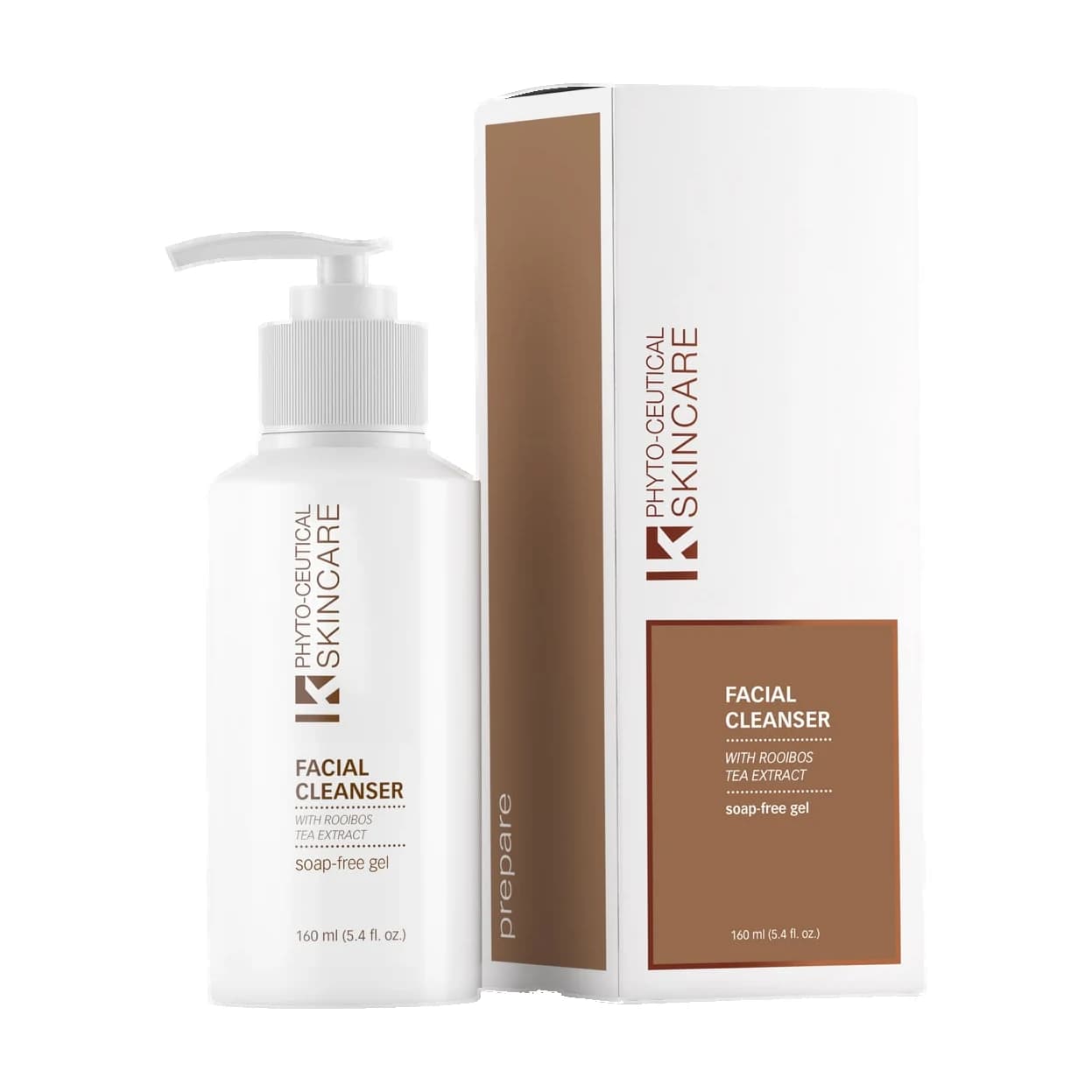
- Gentle cleanser. Use lukewarm water and a mild cleanser that leaves your skin comfortable, not tight.
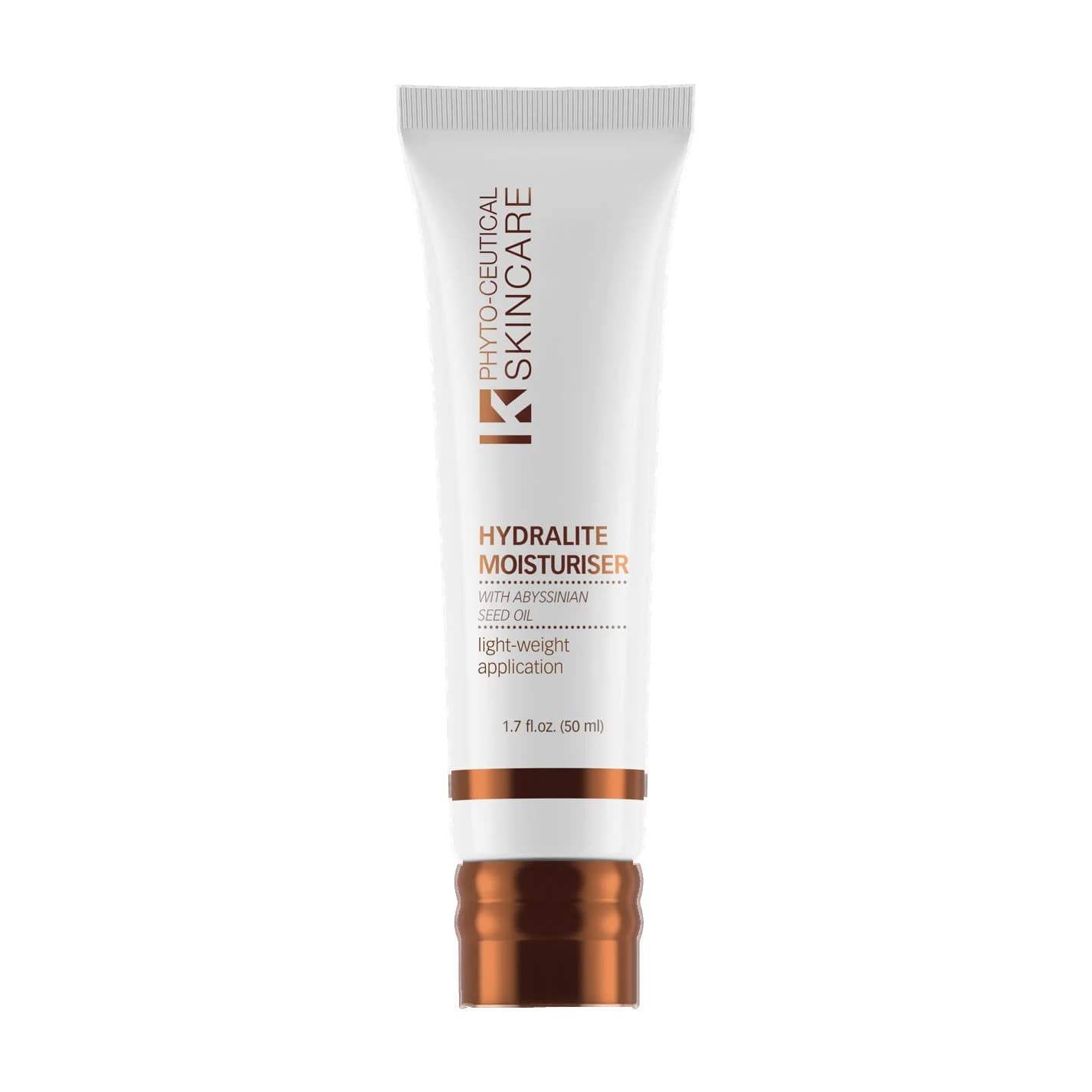
- Moisturiser suited to your skin type.
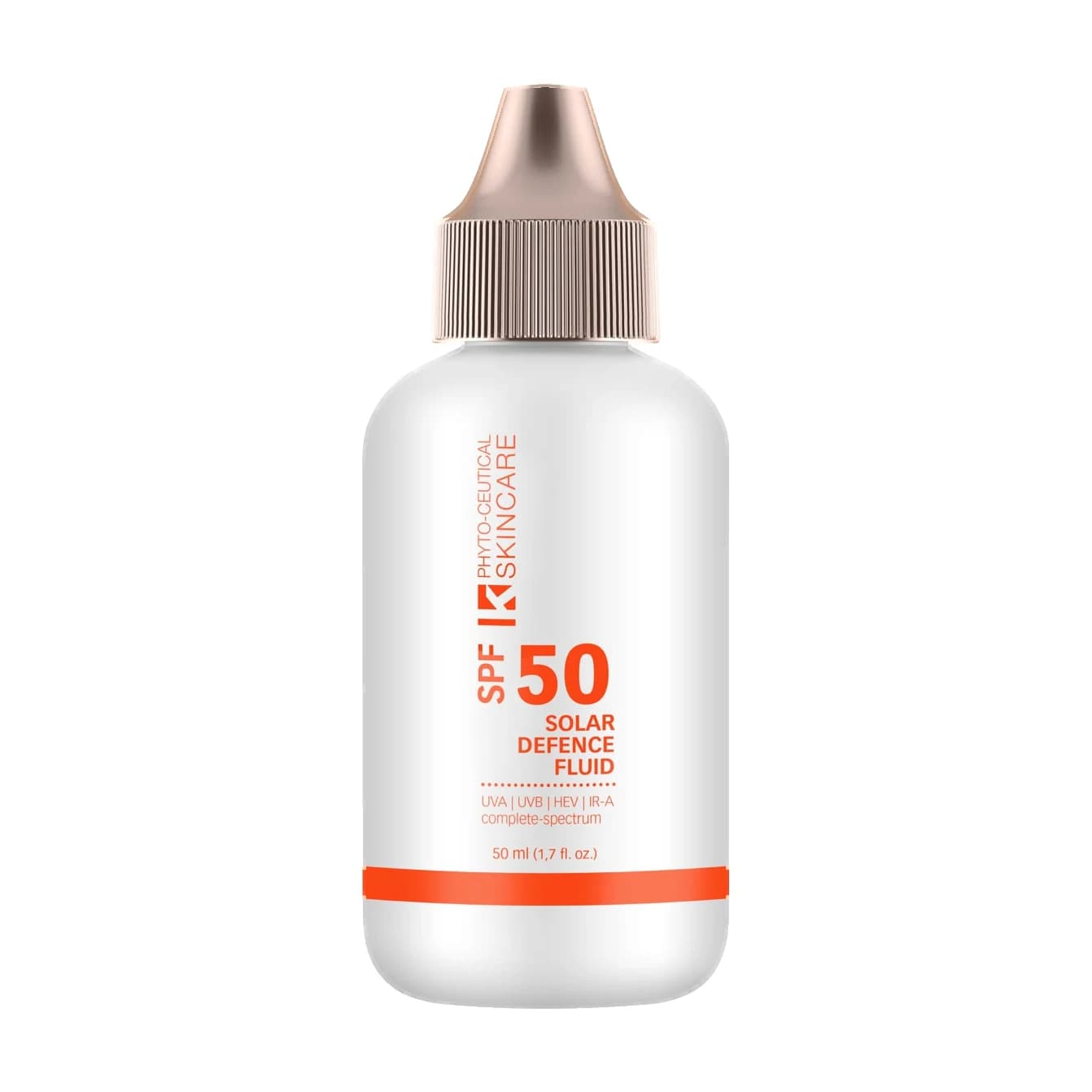
- Broad-spectrum sunscreen, SPF 30 at the very least, and SPF 50 in summer or when you are outdoors. See our sunscreen guide.
What does an evening routine look like?
Evenings are when your skin repairs, so this is the time for treatment ingredients.
- Cleanse. If you wear makeup or sunscreen, cleanse thoroughly so the skin is properly clean.
- Moisturiser. Richer in the evening if your skin is dry.
Why does cleansing morning and night matter?
Overnight, your skin produces oil and sheds cells, and any evening products sit on the surface. A morning cleanse gives your serum and sunscreen a clean base. In the evening, cleansing removes the day's sunscreen, makeup, sweat and pollution so your treatment products can work. Always cleanse gently. Harsh cleansing damages the skin barrier.
How do you add active ingredients safely?
- One at a time. Introduce one new product, and wait a few weeks before adding another, so you can tell what is working or causing a problem.
- Start slowly. Use retinoids a few nights a week at first and build up as your skin adjusts. Follow them with a hydrating product to help with dryness.
- Don't double up. Avoid layering several strong actives, such as retinol, strong acids and vitamin C, in the same routine unless your therapist has planned it.
- Patch test new products, especially if your skin is sensitive.
How do you choose products for your skin type?
Your products should match your skin type and current condition:
- Oily or congested: gel or foaming cleanser, light moisturiser, oil-free sunscreen.
- Dry: creamy cleanser, richer moisturiser.
- Sensitive: fragrance-free, gentle products and a mineral sunscreen.
- Combination: a balanced, light routine, with extra hydration where needed.
How long before you see results?
Give a new routine several weeks. Cleansing and moisturising make skin feel better within days, but treatment ingredients such as retinoids and vitamin C take time to show visible change. Consistency matters far more than having lots of products.
Questions we’re often asked
Do I really need to cleanse in the morning?
Yes. A gentle morning cleanse removes overnight oil and products, giving your moisturiser and sunscreen a clean base.
What order should I apply my products?
Generally cleanser, then moisturiser, then sunscreen in the morning. Then cleanser followed with a moisturiser in the evenings.
Do I need an eye cream?
It is optional when you are starting out. Get the basics right first, then add one if you have a specific concern.
How many products do I need?
Three is enough for most people: a cleanser, a moisturiser and a sunscreen.
This article is general information to help you understand your skin and your options. It isn’t a diagnosis or medical advice. If you are pregnant, on medication or have a skin condition, speak to your doctor, and always tell your therapist about your health history before a treatment.