Treatments & the salon
How to prepare your skin before a chemical peel or microneedling
Reviewed by Cassidy, aesthetic therapist · Updated · 3 min read

The short answer
Start protecting your skin from the sun at least two weeks before, stop retinol and other strong exfoliating products for at least three days beforehand, and tell your therapist about any medication, pregnancy, skin condition or recent treatment. Arrive with clean, calm skin and no makeup. Good preparation makes treatments safer and results better.
Key points
- Avoid tanning and sunburn for at least two weeks before your treatment.
- Pause retinol and exfoliating acids for at least three days before, unless your therapist advises otherwise.
- Share your full health history: medication, pregnancy, skin conditions and recent treatments all matter.
- Arrive with clean skin and no makeup, and book a patch test if it is your first time.
The results of a peel or microneedling start before you walk in. Skin that is calm, protected and properly prepared responds better and recovers faster. Here is how to get ready.
Why does preparation matter?
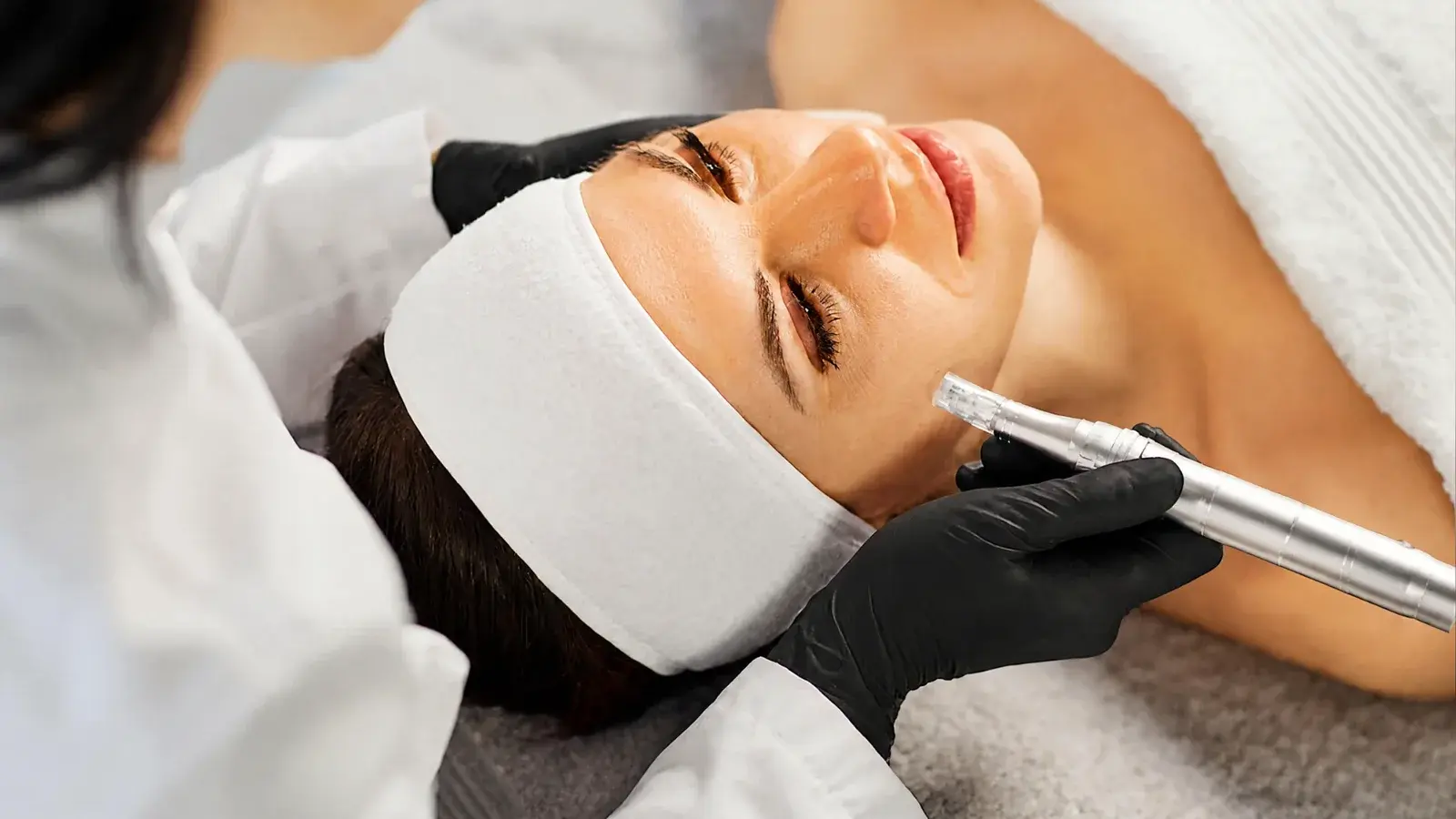
Peels and microneedling work by creating controlled stress in the skin so it renews and repairs itself. If your skin is already irritated, sunburnt or thinned by strong products, that controlled stress can tip into unwanted redness, sensitivity or pigmentation. Preparation keeps your skin in the best possible state for the treatment to do its job.
Two weeks before: protect your skin from the sun
Sun exposure before a treatment raises the risk of irritation and uneven pigmentation afterwards. In the two weeks before a peel or microneedling:
- Wear a broad-spectrum sunscreen every day, and reapply every two hours when you are outdoors.
- Avoid sunbathing, tanning beds and getting sunburnt.
- If you do get sunburnt, let us know. We will move your appointment rather than treat burnt skin.
South African sun is strong, even in winter, so this step matters here more than in many places. Our sunscreen guide explains how to choose one you will actually wear.
Three days before: pause strong actives
Some home products make the skin more reactive to treatment. Unless your therapist gives you different instructions, stop using these for at least three days before your appointment:
- Retinol and other vitamin A products
- Exfoliating acids such as glycolic, lactic, mandelic or salicylic acid
- Scrubs and exfoliating tools
Keep going with a gentle cleanser, a simple moisturiser and sunscreen. Your skin should feel comfortable, not tight or stripped, on the day.
If you use a prescription skin treatment, do not stop it without speaking to the doctor who prescribed it. Tell us about it at your consultation and we will advise on timing.
What should you tell your therapist?
Be completely open at your consultation. These details can change whether a treatment is safe, which products are used or how deep a treatment goes:
- Any medication, including blood thinners and prescription skin or acne treatments
- Pregnancy or breastfeeding
- Skin conditions such as eczema, rosacea or active breakouts
- A history of raised or keloid scarring, or slow wound healing
- Any recent treatments, including peels, lasers, hair removal or injectables
- Allergies or reactions to skincare in the past
If anything changes between booking and your appointment, tell us on the day. Our article on who shouldn't have peels or microneedling explains why each of these matters.
Should you have a patch test?
For first-time clients, especially before a peel or microneedling, we recommend a patch test. A small amount of product is applied to a discreet area so we can see how your skin reacts before treating your whole face. It is a simple step that adds peace of mind.
On the day: how to arrive
- Come with clean skin and no makeup if you can.
- Skip heavy creams and oils that morning.
- Avoid a hard workout or sauna just before your appointment, so your skin is not already flushed.
- Plan your week. Microneedling usually means 24 to 48 hours of redness, and a peel can bring a few days of light flaking. Avoid booking right before an important event.
Questions we’re often asked
How long before a peel should I stop using retinol?
Stop at least three days before, unless your therapist gives you different advice. Keep it paused for a few days afterwards too.
Can I have a treatment if I have a spot or two?
A few spots are usually fine and we will simply work around them. Widespread active breakouts, infection or broken skin mean we should wait.
I have a holiday coming up. When should I book?
Leave time to recover before you travel, and remember your skin needs extra sun protection after treatment. Ideally, book after sunny holidays rather than just before.
Do I need to prepare for a regular facial in the same way?
Facials are gentler, so preparation is simpler. Arriving with clean skin and telling us about any changes to your health or products is usually enough.
This article is general information to help you understand your skin and your options. It isn’t a diagnosis or medical advice. If you are pregnant, on medication or have a skin condition, speak to your doctor, and always tell your therapist about your health history before a treatment.