Treatments & the salon
Post-treatment care: what to do after a facial
Reviewed by Cassidy, aesthetic therapist · Updated · 2 min read

The short answer
After a facial, keep your skin simple for the next day or two: let it breathe without heavy makeup for the rest of the day, avoid heat, saunas and hard exercise that day, skip exfoliants and strong actives for 48 hours, and wear sunscreen. Mild pinkness usually settles within a few hours, and a spot or two after extractions is normal.
Key points
- Keep your routine gentle for 48 hours: cleanse, hydrate and protect.
- Give your skin a break from makeup, heat and heavy workouts for the rest of the day.
- Hold off on exfoliants, retinol and acids for about two days.
- Daily broad-spectrum sunscreen protects both your skin and your results.
A facial leaves your skin clean, hydrated and more receptive to products. What you do in the next couple of days helps that glow last, and prevents any irritation. Here is our simple guide.
What is normal after a facial?
Most people leave with calm, soft, glowing skin and no downtime. You may notice:
- Light pinkness, especially after exfoliation or extractions. This usually fades within a few hours.
- A small spot or two in the following days if congestion was cleared. This is the skin settling and is common, especially after your first facial.
- Skin that feels more sensitive to products for a day, because the surface has been freshly exfoliated.
If your skin becomes very red, hot, swollen or painful, or you notice a rash, contact us.
What should you do on the day of your facial?
- Let your skin breathe. Try to skip makeup for the rest of the day so the treatment products can keep working and your pores stay clear.
- Keep cool. Avoid saunas, steam rooms, hot baths and very hot showers on your face.
- Rest from hard exercise. Heavy sweating straight after a facial can irritate freshly treated skin.
- Hands off. Try not to touch, pick or squeeze your skin, especially where extractions were done.
- Protect. If you go outside, wear sunscreen and a hat.
What about the next 48 hours?
Keep your routine gentle and simple:
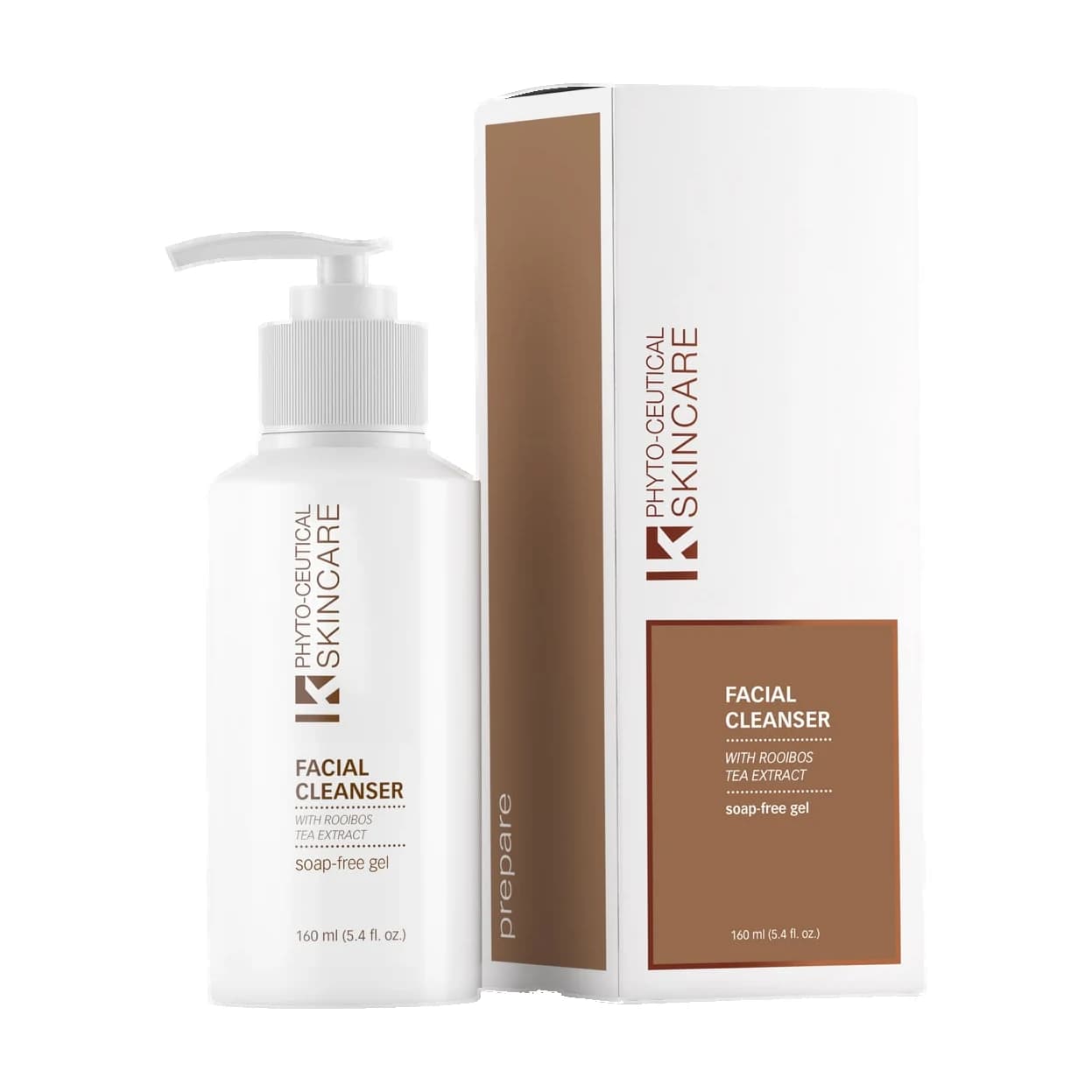
- Cleanse morning and night with a mild cleanser and lukewarm water.
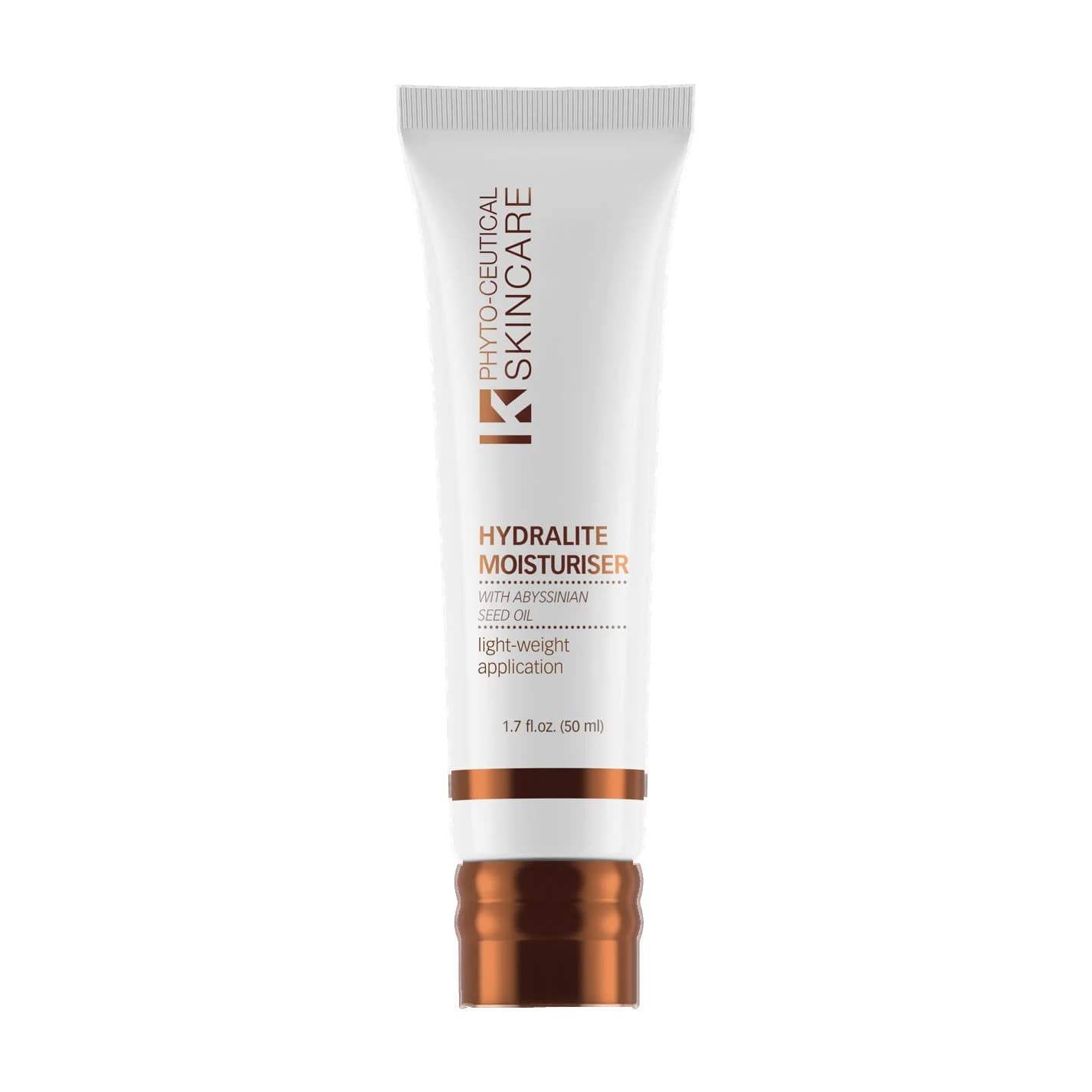
- Apply a hydrating serum or moisturiser suited to your skin.
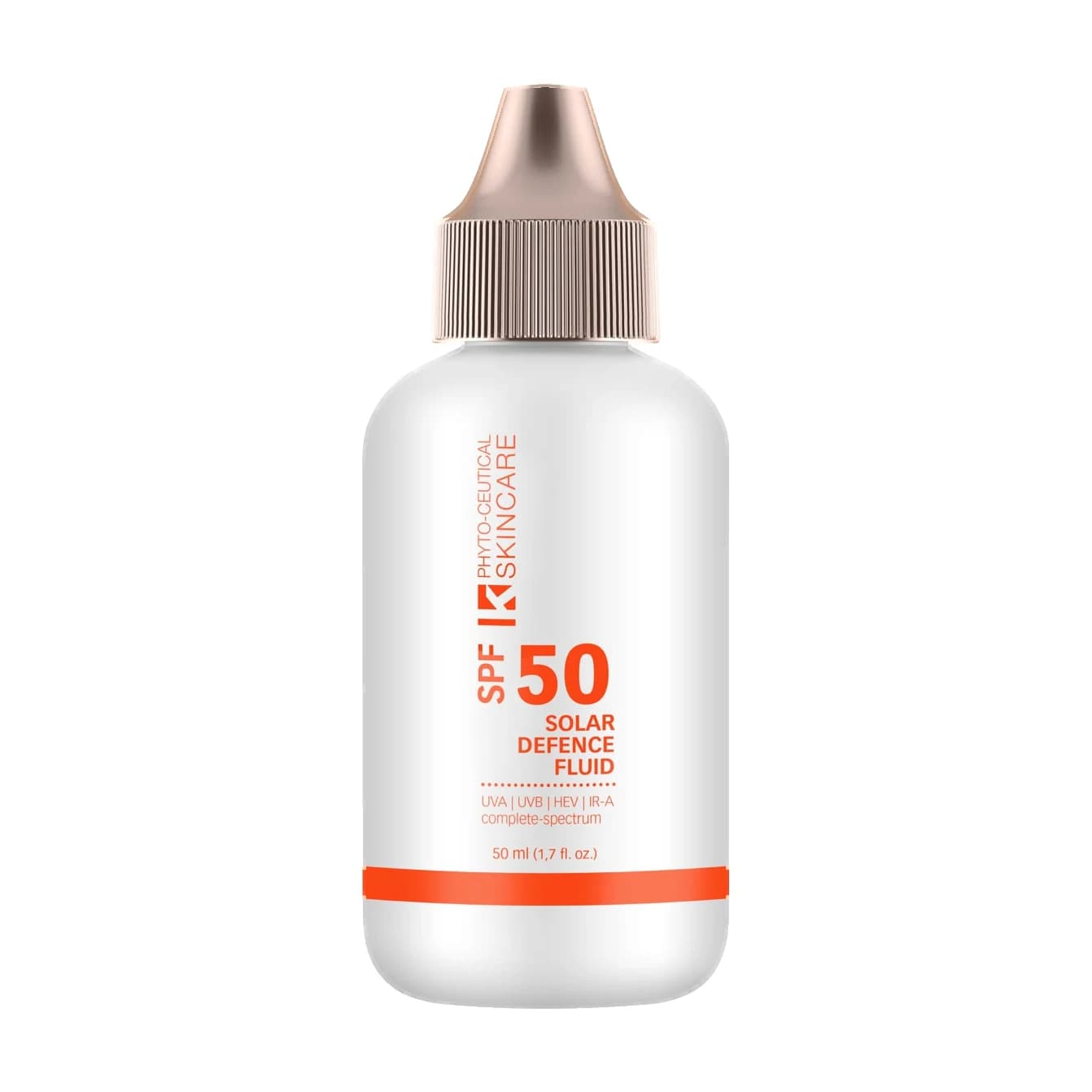
- Wear a broad-spectrum sunscreen every morning.
Pause these for about two days, unless your therapist advises otherwise:
- Retinol and vitamin A products
- Exfoliating acids and scrubs
- Face masks with strong actives
After 48 hours you can usually go back to your full routine.
How do you make your facial results last?
A facial is a reset. Your daily habits decide how long the results last.
- Be consistent. Use the products recommended for your skin every day rather than switching often.
- Wear sunscreen daily, all year. It is the single most effective habit for keeping skin healthy.
- Book your next appointment. A regular rhythm keeps congestion and dullness from building up again. Read how often you should have a facial.
- Ask questions. If something in your routine is not working, tell your therapist. Small changes make a big difference.
Our guide to building a simple skincare routine is a good place to start.
Questions we’re often asked
Can I wear makeup after a facial?
You can if you need to, but it is better to wait until the next day so your skin can settle and the treatment products can keep working.
Is it normal to break out after a facial?
A small spot or two can appear as congestion comes to the surface after extractions. It should settle within a few days. Widespread breakouts or irritation are worth mentioning to your therapist.
Can I go to gym after a facial?
Ideally, wait until the next day. Heat and heavy sweating can irritate freshly treated skin.
When can I use my retinol again?
Usually after about 48 hours, once your skin feels completely comfortable.
Should I wash my face the night after a facial?
Yes. Cleanse gently with lukewarm water and a mild cleanser, then moisturise.
This article is general information to help you understand your skin and your options. It isn’t a diagnosis or medical advice. If you are pregnant, on medication or have a skin condition, speak to your doctor, and always tell your therapist about your health history before a treatment.