Treatments & the salon
Microneedling explained: how it works and what to expect
Reviewed by Cassidy, aesthetic therapist · Updated · 3 min read
The short answer
Microneedling, also called collagen induction therapy, uses very fine needles to make thousands of tiny, controlled channels in the skin. The skin responds by repairing itself and producing new collagen and elastin, which gradually improves texture, fine lines and scarring. Expect redness like mild sunburn for a day or two, early changes within a couple of weeks and fuller results over six to twelve weeks.
Key points
- Microneedling triggers the skin's own repair process to build new collagen and elastin.
- It can help with texture, enlarged-looking pores, fine lines, acne scarring and dullness.
- Most people have 24 to 48 hours of redness and are back to normal activities the next day.
- Results build over a course, commonly four to six sessions spaced three to four weeks apart.
Microneedling is one of the most effective ways to improve skin texture without surgery. It can sound intimidating, so here is exactly what it does and what a treatment is like.
How does microneedling work?
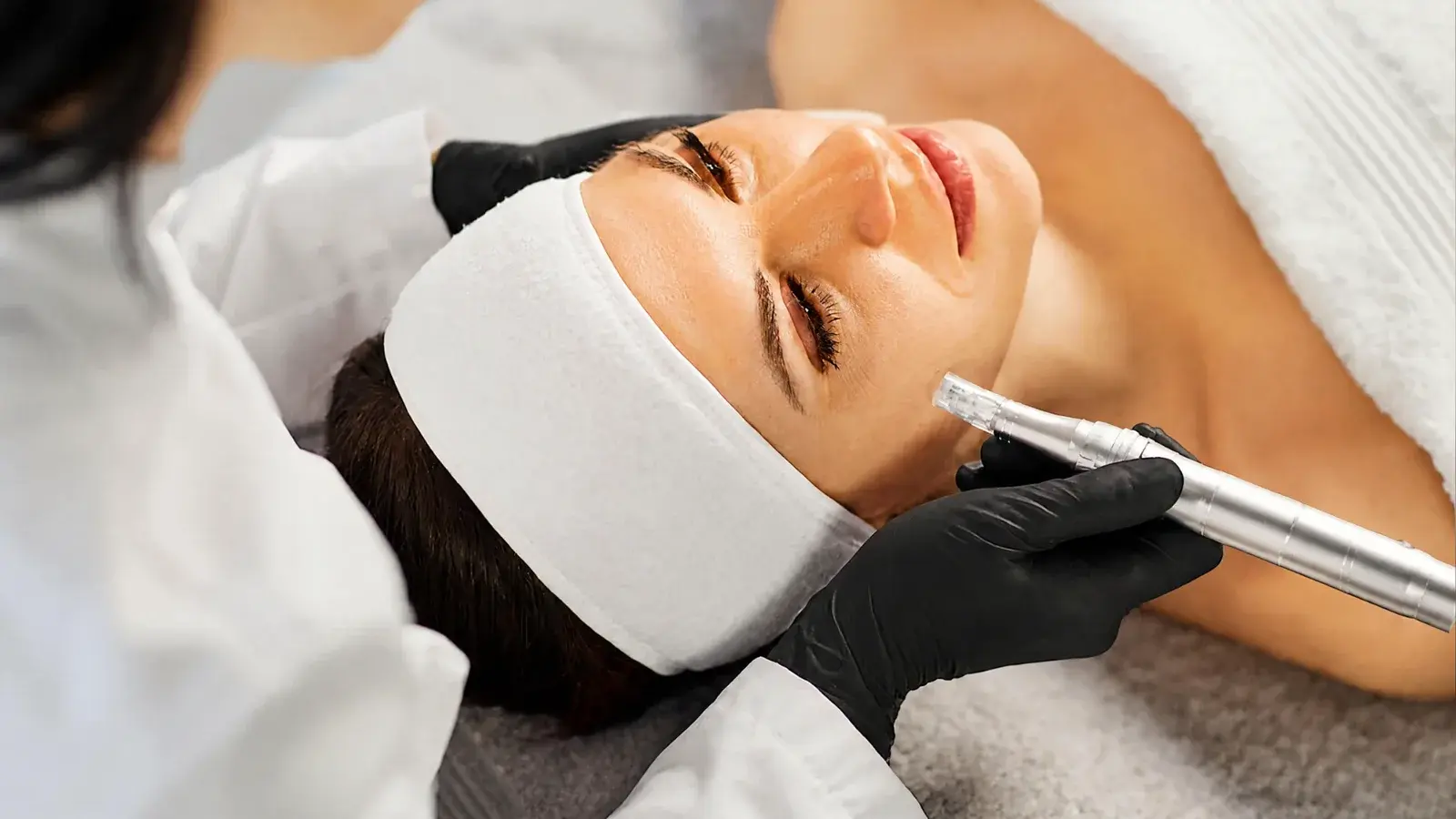
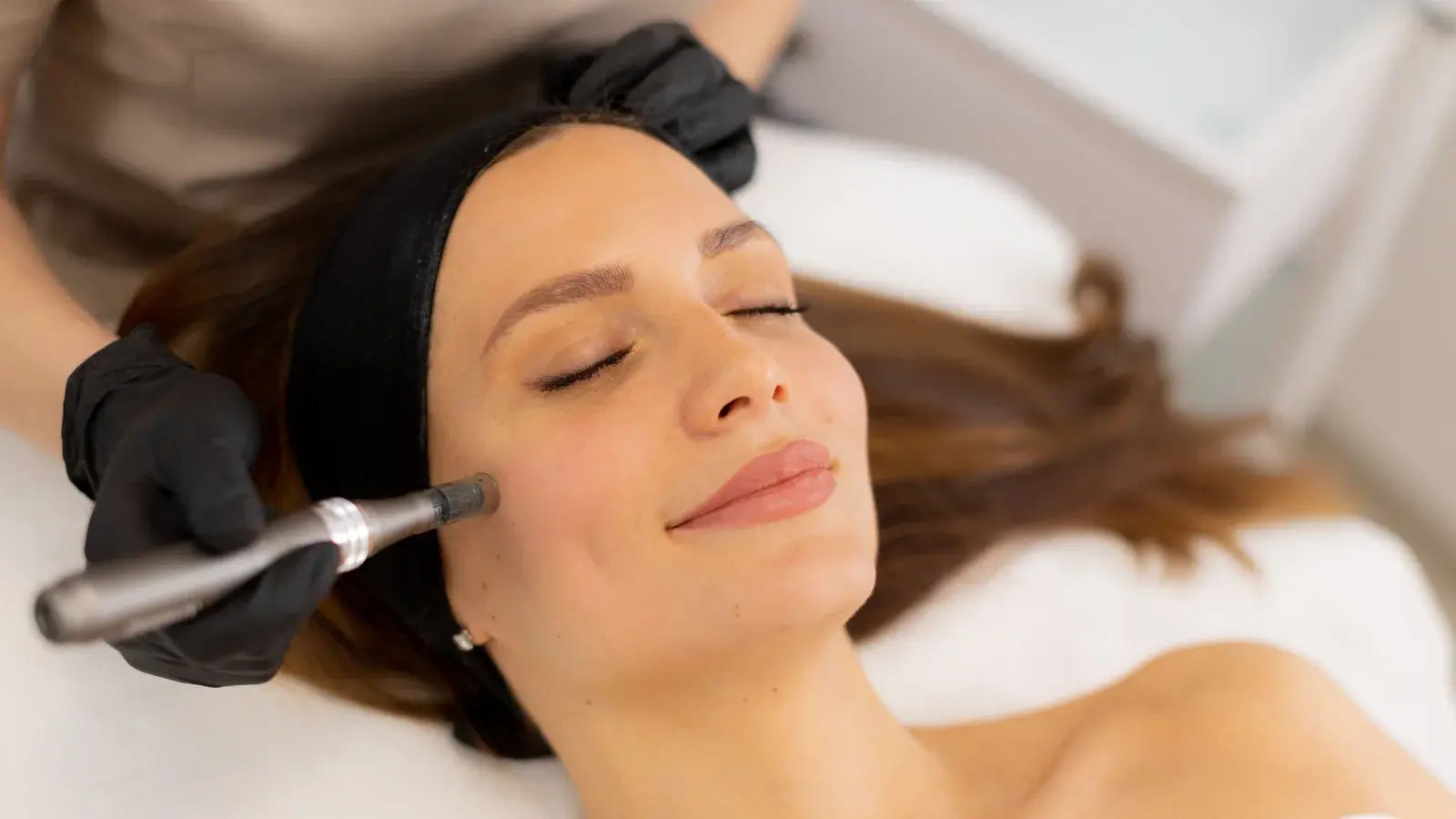
A microneedling device holds a cartridge of very fine needles that move in and out of the skin at high speed, creating thousands of tiny channels. These micro-injuries are small and carefully controlled, but they are enough to switch on the skin's natural healing response.
That healing happens in three overlapping phases:
- Inflammation. Blood flow increases and the body sends healing signals to the area. This is why skin looks pink afterwards.
- Rebuilding. Cells called fibroblasts start producing fresh collagen and elastin, the proteins that keep skin firm and springy.
- Remodelling. Over the following weeks the new collagen matures and reorganises, which is when texture, fine lines and scarring gradually improve.
The tiny channels also help serums applied during the treatment reach deeper than they could on their own.
What can microneedling improve?
Microneedling is often recommended for:
- Rough or uneven texture
- Enlarged-looking pores
- Fine lines and early loss of firmness
- Acne scarring
- Dull, tired-looking skin
It is not the right treatment for active breakouts, and some skin conditions and medications mean it is better to wait. See who shouldn't have peels or microneedling.
What happens during a microneedling session at MAIÈ?
Your Microneedling appointment takes about an hour. It begins with a consultation and manual skin analysis so we can choose the right needle cartridge, technique and products for your skin. Your skin is then thoroughly cleansed, the treatment is carried out in careful passes across each area, and it finishes with calming, hydrating care and protection.
Most people describe the sensation as pressure or vibration rather than pain, and your therapist will check in with you throughout.
What is the downtime after microneedling?
For most people the downtime is short:
- The first 24 to 48 hours: redness, mild swelling and a warm, sunburn-like feeling are normal.
- The next few days: the skin can feel dry and may flake lightly as it renews.
- Back to normal: most people return to everyday activities the next day.
There are a few important rules in the first days, such as no makeup for 24 hours, no heat or exercise for 24 hours, strict sun protection and a pause on strong actives. Our microneedling aftercare guide explains each one.
When will you see results, and how many sessions do you need?
Some people notice fresher, smoother skin within about ten to fourteen days following their first treatment. The real change comes as new collagen forms, which takes around six to twelve weeks.
Because collagen builds gradually, microneedling works best as a course. A common plan is four to six treatments spaced three to four weeks apart, followed by maintenance treatments every few months. Your plan will depend on your skin and what you want to improve.
Is microneedling safe to do at home?
Salon microneedling and home rollers are not the same thing. At-home derma rollers create angled punctures and micro-tears that compromise the skin barrier and raise the risk of bacterial infections. In a salon, the depth, technique and hygiene are controlled by a trained therapist who has checked your skin and health history first. We always recommend having microneedling done professionally.
Questions we’re often asked
Does microneedling hurt?
Most people feel pressure or vibration rather than pain. Tell your therapist if anything feels uncomfortable and they will adjust. To maximize client comfort, we provide the option of a topical numbing agent prior to your procedure at MAIÈ.
How long does microneedling take?
The appointment takes about an hour, including your consultation and skin analysis. If you choose to include the topical numbing agent, please allow an additional 20 minutes for your overall treatment.
Can I go to work the next day?
Usually, yes. Your skin may still look a little red, so some people prefer to book before a weekend.
How long do microneedling results last?
Results continue to develop for weeks after a course, and aesthetic clinics generally quote several months. Maintenance treatments and daily sunscreen help your microneedling results last longer.
Is microneedling the same as a dermaroller?
Both create tiny channels in the skin, but professional devices allow far more precise, consistent treatment than a handheld roller. Unlike manual rollers that can tear the skin and offer only one fixed depth, a professional motorised device uses a high-speed, vertical stamping motion to deliver perfectly uniform coverage while allowing for instant needle depth adjustment to safely target different facial zones in a single session.
This article is general information to help you understand your skin and your options. It isn’t a diagnosis or medical advice. If you are pregnant, on medication or have a skin condition, speak to your doctor, and always tell your therapist about your health history before a treatment.