Ingredients, explained
Exosomes: what the buzz is about
Reviewed by Cassidy, aesthetic therapist · Updated · 3 min read
The short answer
Exosomes are tiny particles that cells release to send messages to other cells. In skincare they are used for their potential to support repair and regeneration, and they are often applied after microneedling. They are one of the most exciting areas in aesthetics right now, but the science is still developing, so treat them as a promising extra rather than a miracle ingredient.
Key points
- Exosomes are microscopic "messengers" that cells use to communicate.
- In skincare they are used to support the skin's own repair and renewal.
- They are often paired with microneedling, which helps active ingredients reach deeper.
- The research is promising but still young. Good results still depend on the basics.
Exosomes have moved from research labs into serums and clinic menus very quickly. You may have seen them described as the next big thing in skin regeneration. Here is what they are, what they might do, and how to think about them sensibly.
What are exosomes?
Your cells are constantly communicating. One of the ways they do this is by releasing extremely small packages, called extracellular vesicles, that carry signals to other cells. Exosomes are one type of these vesicles.
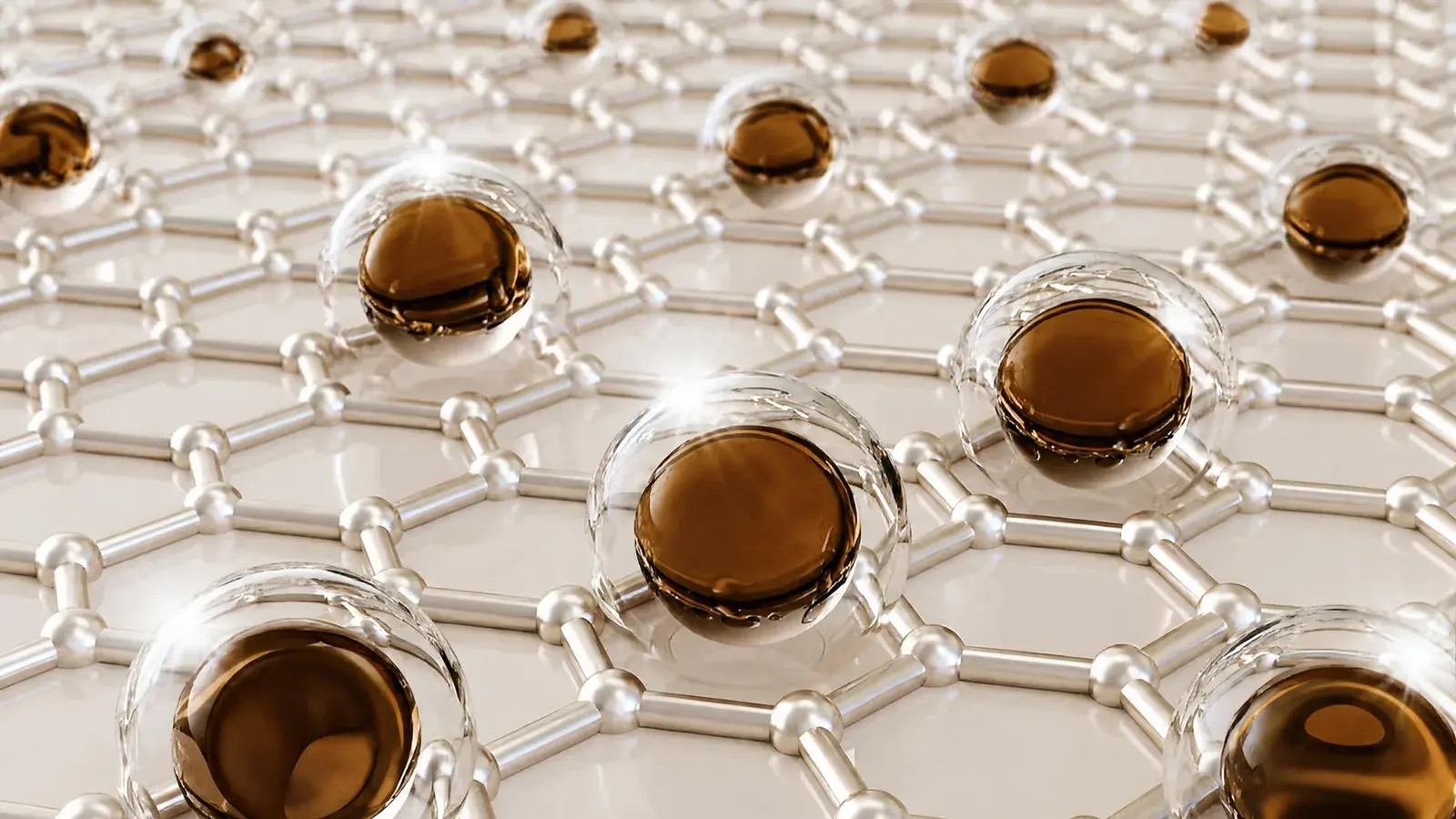
You can think of an exosome as a tiny envelope. Inside are biological messages, such as proteins and other molecules, that can influence how the receiving cell behaves, for example prompting it to repair, calm inflammation or build new tissue.
Why are exosomes being used in skincare?
As we age, or after damage from the sun and environment, the skin's natural renewal slows down. The idea behind exosome skincare is to support the skin's own communication and repair processes, encouraging it to behave more like younger, healthier skin.
This fits into a wider trend in aesthetics called regenerative treatment: rather than simply covering up concerns, the aim is to help the skin repair and renew itself.
Where do skincare exosomes come from?
Exosomes used in skincare can be derived from different sources. Some are derived from human stem cells in a lab, while others come from plants, often described as phyto-exosomes. The source, how they are produced and how the product is formulated all vary between brands, which is one reason results can differ.
Why are exosomes often used with microneedling?
Microneedling creates thousands of tiny channels in the skin and triggers its natural healing response. Those channels also help products applied during treatment reach deeper than they would on intact skin. Pairing microneedling with regenerative ingredients such as exosomes or growth factors is therefore a popular combination, with the aim of supporting the healing and collagen-building process the treatment has started.
Only use products that are made and approved for use during professional treatments. Not everything that is safe on intact skin is suitable for freshly treated skin.
What should you be cautious about?
Exosomes are genuinely exciting, but it is worth keeping perspective:
- The science is still developing. There is promising research, but large, long-term studies are still limited.
- Products are not all the same. The source, quality and amount of exosomes vary widely, and labels do not always make this clear.
- They do not replace the basics. Daily sunscreen, a consistent routine and proven treatments still do most of the work.
- Price is not proof. A higher price does not guarantee a better result.
Questions to ask before you pay extra for exosomes
- Where do the exosomes in this product come from?
- Is this product made to be used on freshly treated skin?
- What result can I realistically expect, and over what time?
- What would you recommend if I did not add exosomes?
A good therapist will answer honestly, including telling you when a simpler option would serve you just as well.
Questions we’re often asked
Are exosomes the same as stem cells?
No. Exosomes are tiny particles released by cells, not cells themselves. Some skincare exosomes are derived from stem cells, while others come from plants.
What are phyto-exosomes?
They are exosome-like particles derived from plants. They are used in skincare for similar reasons, although they come from a very different source.
Can I use exosome skincare at home?
Yes, there are skincare products with exosomes. Use them on intact skin as directed, and ask your therapist before using any products on freshly treated skin.
Do exosomes work?
Early research is promising, particularly for supporting repair after treatments, but the evidence is still growing. Think of them as a helpful extra rather than a guaranteed fix.
Are exosomes safe?
Use products from reputable brands and follow your therapist's advice. If you are pregnant, breastfeeding or have a medical condition, check with your doctor first.
This article is general information to help you understand your skin and your options. It isn’t a diagnosis or medical advice. If you are pregnant, on medication or have a skin condition, speak to your doctor, and always tell your therapist about your health history before a treatment.